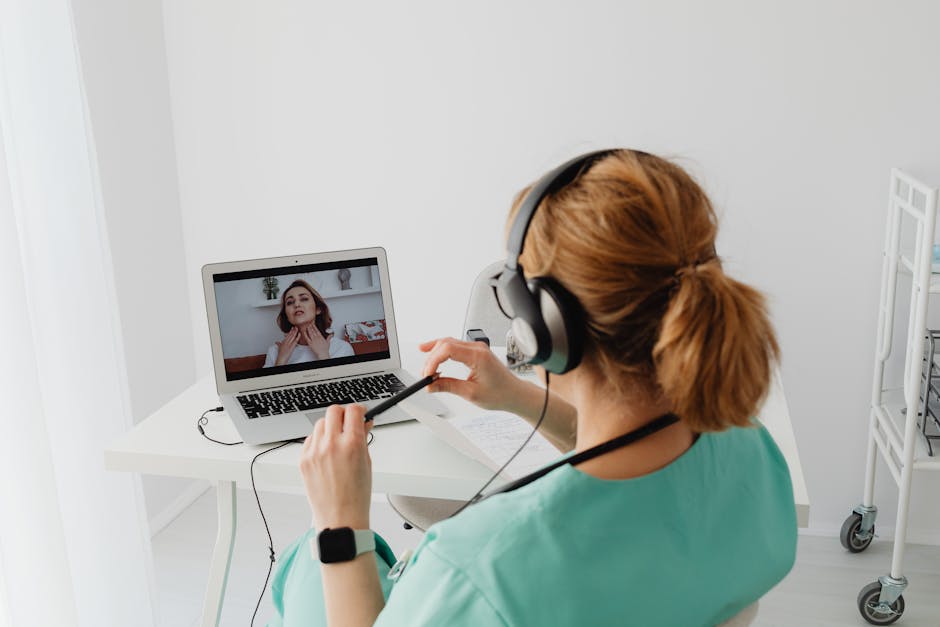
Yes. Licensed telehealth services in the United States can legally evaluate rosacea and prescribe topical or oral treatment without an in-office visit. A clinician reviews your photos and symptoms, confirms it’s clinically appropriate to treat you remotely, and sends a prescription to your pharmacy or your door. Top Weight Loss Med offers exactly this kind of visit.
The trade-off is real, though. Telehealth works well for classic flushing, visible redness, and mild to moderate breakouts. It does not work for:
- Eye involvement (ocular rosacea) that needs an in-person exam
- Severe, rapidly spreading, or nodular lesions
- Cases where a prior treatment failed and a clinician needs to physically assess your skin
For most people managing everyday redness and bumps, an online rosacea consultation is a legitimate, FDA-compliant way to get treated faster than waiting weeks for a dermatology slot.
Key Takeaways
Licensed U.S. telehealth platforms can legally diagnose and prescribe for rosacea, but fast-acting topicals, slow-building maintenance creams, and oral antibiotics each demand different expectations and different safety screening.
| Point | Details |
|---|---|
| Telehealth works for most cases | Standard flushing, redness, and mild-to-moderate bumps are well-suited to remote evaluation and prescribing. |
| Timelines vary by drug class | Vasoconstrictors act in about 12 hours; maintenance topicals need 2 to 6 weeks to show results. |
| Eye symptoms need in-person care | Ocular rosacea signs require ophthalmology or in-person evaluation, not a virtual visit. |
| Prepare before your visit | Daylight photos, a full medication list, and your pregnancy status speed up an accurate remote diagnosis. |
| TWL offers a direct path | Top Weight Loss Med provides same-day licensed visits, prescription delivery or pharmacy pickup, and insurance support for rosacea care. |
How Does Online Rosacea Treatment Work?
Every legitimate telehealth visit for rosacea follows roughly the same sequence, whether or not it involves a live video call.
- Intake questionnaire. You’ll answer questions about how long you’ve had symptoms, what triggers flare-ups (sun, alcohol, spicy food, stress), your medication and allergy history, and whether you’re pregnant or breastfeeding.
- Photo submission. Most platforms ask for close-up, well-lit images of the affected skin, since visual pattern recognition is central to a rosacea diagnosis.
- Clinician review. A licensed provider assesses severity, subtype (there are several presentations, from persistent redness to acne-like bumps), and whether your case fits the profile treatable by phone or asynchronous review.
- Prescribing decision. If everything checks out, the clinician sends a prescription electronically. If something looks atypical, expect a request for a live video visit or a referral.
- Follow-up. Most programs schedule a check-in around four to six weeks out to gauge response and adjust the regimen, then set up auto-refills if the treatment is working.
Platforms sometimes decline to prescribe certain drugs remotely, and that’s not bureaucracy for its own sake. The FDA requires that any prescriber, virtual or not, follow the same standard of care that applies in a physical office, which means stronger oral medications or anything with teratogenic risk gets extra scrutiny before it’s approved for remote initiation.
Pro Tip: Submit your photos in natural daylight rather than under bathroom lighting. Yellow-toned indoor light washes out redness and can make your case look milder than it is, which slows down an accurate assessment.
What Prescription Rosacea Treatments Are Available Online?
The prescriptions you’ll actually get depend on what type of rosacea you have and how it’s behaving, not just what you ask for.
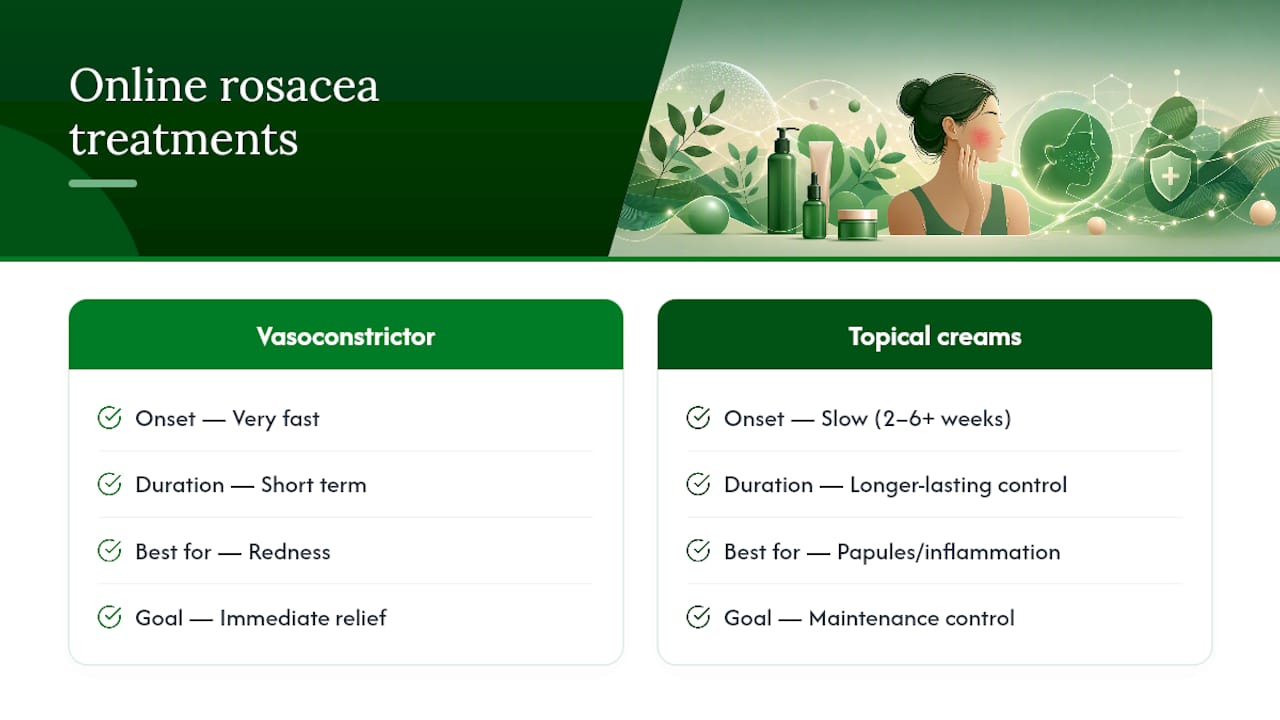
Flushing reducers like brimonidine and oxymetazoline work fast. Mayo Clinic notes these topical vasoconstrictors take effect within about 12 hours, tightening blood vessels to reduce visible redness. The catch: the effect is temporary, and it wears off. Clinicians generally advise using them situationally, before a big event or a stressful meeting, rather than every single day. Daily use can trigger rebound flushing, where your skin gets redder once the medication wears off than it was before you started.

Maintenance topicals are the backbone of long-term rosacea control. Metronidazole and azelaic acid typically need two to six weeks before you see a real difference, and ivermectin can take longer to kick in but often holds its results longer once it does. None of these are quick fixes. If you start one expecting overnight results, you’ll likely quit before it has a chance to work.
Oral antibiotics, most commonly doxycycline at low anti-inflammatory doses, come into play for inflammatory or treatment-resistant cases. Mayo Clinic frames oral therapy as a step reserved for cases where topical treatment alone isn’t cutting it, which is exactly the kind of judgment call telehealth screening exists to make.
Onset speed vs. staying power: Vasoconstrictors act in hours but fade fast; maintenance topicals take weeks but build results that actually last.
Procedural options like pulsed dye laser treat the visible broken blood vessels that topical medication can’t touch. These aren’t something a telehealth platform can prescribe, because laser and light therapy require in-person dermatologic administration, often across multiple sessions, and results vary depending on skin tone. If your online clinician spots persistent visible vessels that medication isn’t addressing, expect a referral rather than a prescription.
One thing worth knowing before you start any of this: rosacea is chronic, and managing it well means following the standard daily routine designed for sensitive or rosacea-prone skin. There’s no cure that makes it disappear permanently. Treatment is about controlling flares and identifying your personal triggers, which is why the American Academy of Dermatology puts so much emphasis on gentle, minimal-ingredient skincare alongside whatever’s prescribed.
How Much Does Online Rosacea Treatment Cost?
Costs on telehealth rosacea platforms tend to break into two buckets: the visit itself and the medication.
- Visit fees on consumer telehealth sites for a dermatology-adjacent condition like rosacea commonly land in a modest per-visit range, sometimes bundled into a subscription that also covers follow-ups and messaging with your clinician.
- Medication costs swing widely based on whether you’re prescribed a generic (metronidazole and doxycycline are both available generic) or a brand-name formulation, and whether your insurance covers dermatologic prescriptions.
- Insurance and FSA/HSA funds often apply to both the visit and the prescription, though coverage depends heavily on your specific plan.
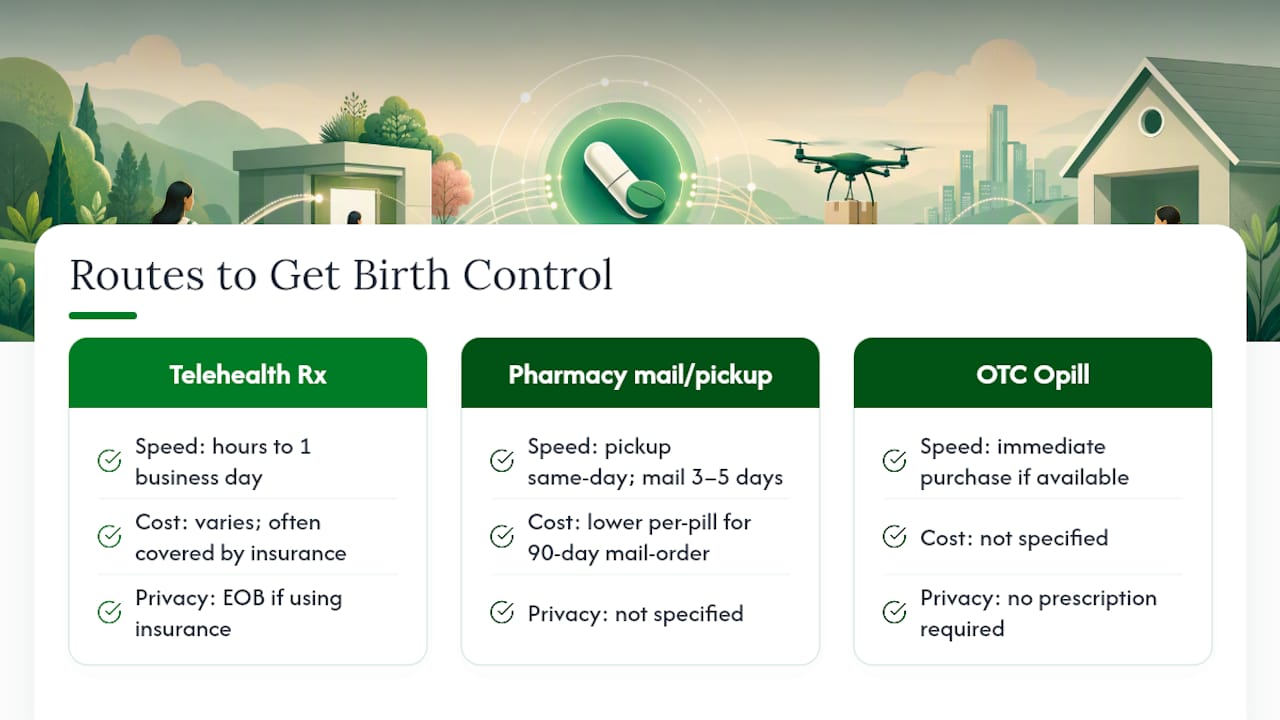
- Fulfillment usually gives you a choice: home delivery in a few business days, or an e-prescription sent to a local pharmacy for same-day pickup.
Before committing to any platform, check three things: which pharmacy network they use, what their refill policy looks like if a medication isn’t working, and whether they bill insurance directly or require you to submit for reimbursement yourself.
When Should You Avoid Telehealth for Rosacea?
Telehealth is not the right tool for every rosacea presentation, and a responsible platform will tell you that instead of trying to treat everything remotely.
Certain signs mean you need in-person evaluation, not a virtual visit:
- Ocular rosacea symptoms. Gritty, dry, or watery eyes, eyelid swelling, or light sensitivity alongside facial redness call for an in-person exam. Cleveland Clinic is explicit that eye involvement needs ophthalmology or in-person assessment, not a photo review.
- Sudden, severe pustules or rapidly spreading bumps. This pattern can indicate something other than straightforward rosacea, and it needs hands-on exam.
- Nodules or systemic symptoms. Fever, joint pain, or a nodule that’s growing fast are outside what any remote visit should be managing.
Medication-specific caution matters too. Doxycycline isn’t given during pregnancy because of effects on fetal bone and teeth development, so expect a direct question about pregnancy status before that prescription goes through. Isotretinoin, occasionally used for severe treatment-resistant rosacea, carries serious teratogenic risk. That drug requires documented pregnancy prevention counseling and monitoring that most telehealth platforms simply aren’t set up to handle without extra safeguards. And as covered above, overusing a topical vasoconstrictor daily instead of situationally can cause rebound flushing that leaves you worse off than when you started.
Pro Tip: If your clinician asks for a live video call instead of just reviewing your photos, that’s a good sign, not a red flag. It usually means they’re being careful about something specific in your case rather than rushing you through.
Good telehealth clinicians screen for these patterns specifically so they can refer you to dermatology or urgent care when remote treatment isn’t the safe option.
How Do You Prepare for an Online Rosacea Consultation?
A little prep work turns a back-and-forth, multi-day process into a same-day prescription.
- Take photos in daylight, without makeup. Include a wide shot of your full face and close-ups of the most affected areas, capturing any visible blood vessels or pustules clearly.
- List every medication and supplement you’re taking. Certain drug combinations affect what a clinician can safely prescribe.
- Note your allergies, especially to any topical ingredients or antibiotics you’ve reacted to before.
- State your pregnancy or breastfeeding status upfront. This shapes which medications are even on the table.
- Write down what you’ve already tried, including over-the-counter rosacea skincare, and how your skin responded.
- Bring your current skincare routine. The AAD recommends gentle, minimal-ingredient products as a baseline, so your clinician needs to know what you’re already using before adding anything new.
Come with a couple of direct questions ready too: how long before you should expect improvement, what to do if you see no change by the follow-up date, and whether auto-refill is available so you’re not caught without medication.
How Does Top Weight Loss Med Handle Rosacea Care?
Top Weight Loss Med built its skincare service around the same intake logic described above: photos, history, and clinician review, with same-day appointments available through licensed providers rather than a multi-week wait for a dermatology referral.
A few things stand out about how TWL runs this:
- Same-day virtual visits with licensed clinicians, not a queue that stretches into next month.
- Prescription fulfillment through home delivery or local pharmacy pickup, depending on what’s more convenient for you.
- Insurance partnerships and FSA/HSA compatibility where your plan allows it, which can meaningfully cut your out-of-pocket cost.
- Continuity of care through one platform, so if rosacea shows up alongside another concern TWL already manages, like primary care needs, your records and history stay connected instead of scattered across different providers.
Chronic skin conditions respond best to consistent follow-up, not one-off prescriptions. A platform that keeps your history in one place makes that consistency easier to maintain.
Pro Tip: If you’re already using TWL for another condition, mention your rosacea symptoms in that same intake. It saves you from starting a completely separate patient profile.
Starting is straightforward: create an account, complete the photo and history intake, and a licensed provider reviews your case, typically within the same day.
What Telehealth Gets Right About Rosacea, and What It Doesn’t
The conventional advice on rosacea treats it like a shopping decision: pick a cream, wait, see what happens. That framing undersells how much the sequencing matters. Starting with a vasoconstrictor and expecting it to behave like a maintenance drug is a common, avoidable mistake, and it’s one reason people bounce off treatment early, assuming nothing works when really they were using a same-day fix for a long-term problem.
What telehealth actually solves well is the access bottleneck, not the biology. Dermatology wait times in much of the country stretch for weeks, and rosacea flares don’t wait politely. A remote intake that gets a licensed clinician’s eyes on your skin within a day closes that gap. What it can’t solve, and shouldn’t try to, is anything involving your eyes or a lesion pattern that looks unfamiliar. The best telehealth platforms are the ones willing to say “this needs an in-person look” instead of prescribing something just to close the ticket. That restraint is the real quality signal, more than speed or price.
Start Rosacea Treatment Through Top Weight Loss Med
If you’ve been putting off rosacea care because dermatology waitlists run weeks long, Top Weight Loss Med gets you in front of a licensed clinician the same day you sign up, no waiting room required. You skip the drive, skip the wait, and still get a real prescription sent to your pharmacy or your door.
TWL also handles more than skin. Because primary care, weight loss, and mental health run through the same platform, your rosacea treatment stays connected to the rest of your health picture instead of living in a separate app with its own login and its own paperwork. If you’re managing rosacea alongside another concern, that continuity saves real time down the line.
Check your options and see what a visit costs on the weight loss FAQ page for a sense of how TWL structures pricing, then create your account and complete the intake to get a licensed provider reviewing your case today.
This article is general information, not a substitute for advice from a qualified doctor. Consult a qualified healthcare professional about your own circumstances before acting on anything here.
Sources
FAQ
What Is the Best Online Treatment for Rosacea?
There’s no single best treatment. It depends on your subtype: vasoconstrictors like brimonidine work fastest for redness, while azelaic acid, metronidazole, or ivermectin build longer-lasting control over two to six or more weeks. A licensed telehealth visit, like the ones offered through Top Weight Loss Med, matches the medication to your specific presentation.
What Are the Best Non-Prescription Treatments for Rosacea?
Over-the-counter care centers on gentle, fragrance-free cleansers, mineral sunscreen, and avoiding known triggers like alcohol, heat, and spicy food, as recommended by the American Academy of Dermatology. These support prescription treatment but rarely resolve moderate to severe rosacea on their own.
How Do Japanese Dermatologists Treat Rosacea?
Treatment approaches in Japan generally follow similar principles seen worldwide: topical anti-inflammatory agents, trigger avoidance, and gentle skincare, with oral antibiotics reserved for more persistent cases. There isn’t a distinct “Japanese method” that differs meaningfully from the standard care outlined by U.S. dermatology sources.
What Are the Newest Rosacea Treatments?
Topical ivermectin and azelaic acid remain among the more recently adopted maintenance options, valued for longer-lasting results once they take effect, though they act more slowly than vasoconstrictors. Laser and light therapy continue to be the primary option for persistent visible blood vessels that topical medication doesn’t address.
Can You Get a Rosacea Prescription Without Seeing a Dermatologist in Person?
Yes, for most mild to moderate cases. A licensed telehealth provider can review your photos and history and prescribe topical or oral medication, though signs like eye involvement or unusual lesions still require in-person evaluation.