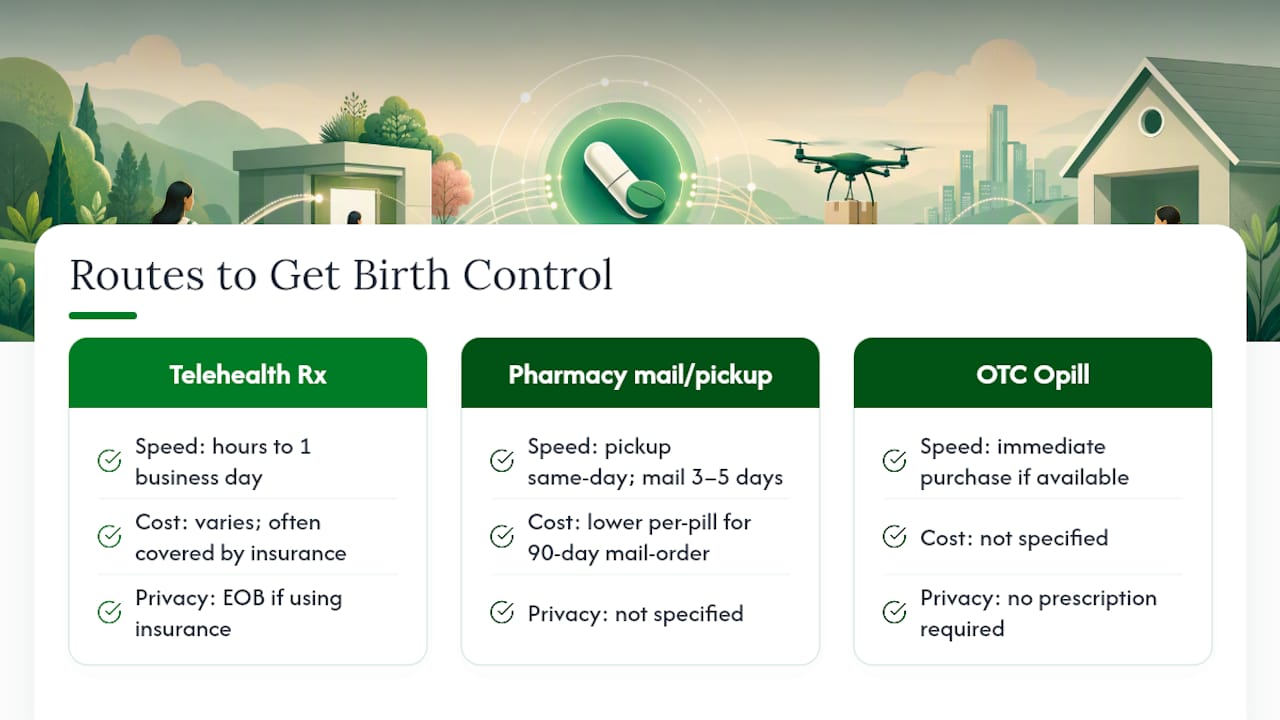
Most people with private health insurance pay $0 for FDA-approved birth control, prescribed by an in-network provider, thanks to the Affordable Care Act’s preventive services rule. That’s the headline. The catch is that plenty of people still get billed anyway, and it’s rarely because the law failed. It’s because their plan is grandfathered, their clinic is out-of-network, or their pharmacy filled a brand-name drug when a covered generic was available.
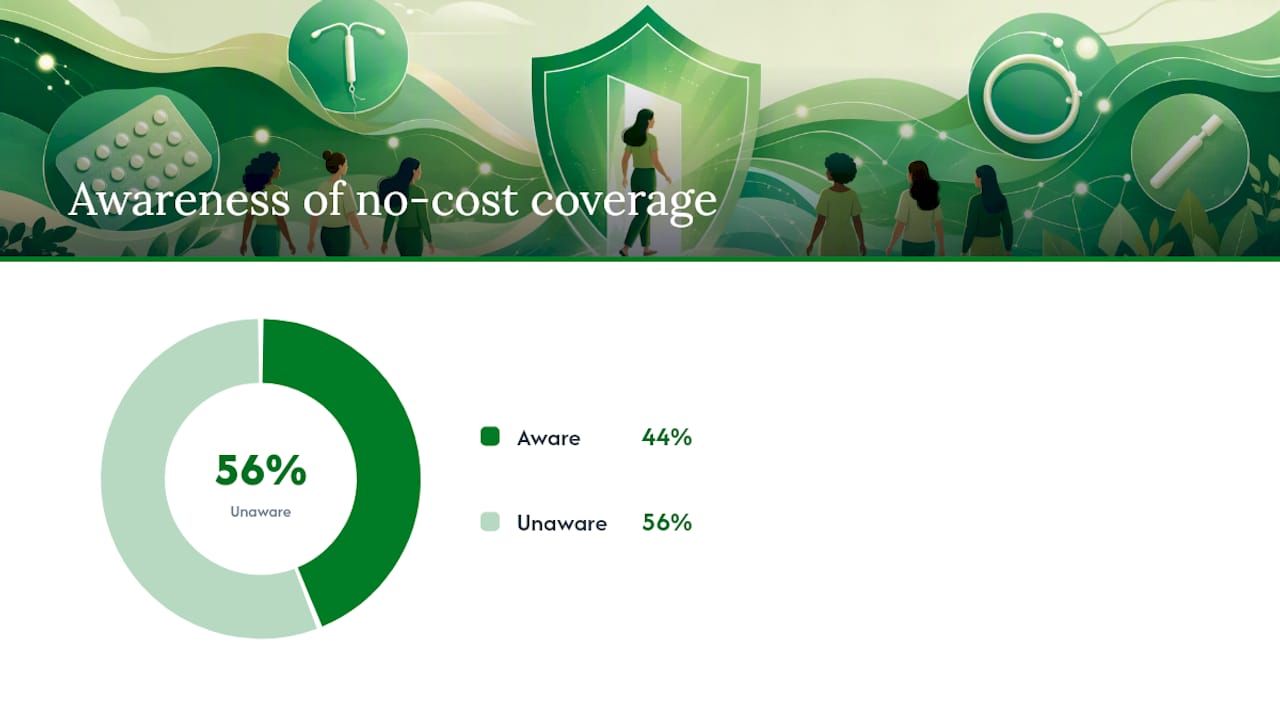
The gap between “should be free” and “actually was free” is bigger than most people realize. KFF found only about 44% of women with private insurance even know their plan is required to cover prescribed contraceptives at no cost, which means more than half may pay out of pocket without ever checking. Common reasons for a surprise bill:
- Your plan is grandfathered (unchanged since before March 23, 2010) and isn’t bound by the ACA mandate
- You saw an out-of-network provider or filled your prescription at an out-of-network pharmacy
- Your employer holds a religious or moral exemption
- You picked a brand-name pill when your formulary only covers the generic without extra paperwork
- You bought an over-the-counter method like Opill without a prescription, which some plans require to apply coverage
Key Takeaways
Most privately insured patients pay nothing for FDA-approved birth control, but coverage depends on network status, plan type, and whether a prescription is on file.
| Point | Details |
|---|---|
| ACA mandates no-cost coverage | Most private plans cover FDA-approved contraceptives with no copay when the provider is in-network. |
| Awareness is the real barrier | Only about 44% of insured women know this benefit exists, so many overpay unnecessarily. |
| Long-acting methods cost more upfront, less yearly | IUDs and implants run $500–$1,300 uninsured but are free in-network with insurance. |
| Extra fees can still apply | Insertion is usually covered, but consultation or lab fees tied to the same visit sometimes aren’t. |
| Telehealth can trigger the same coverage | Topweightlossmed offers insured telehealth visits that verify your plan and route prescriptions accordingly. |
Where to Get Official Answers and Data
For plan rules, check HealthCare.gov; for exceptions and prior authorization law, see the Department of Labor’s ACA FAQs; for national trends, review CDC data briefs. Always confirm plan-specific details with your insurer’s member services line.
This article is general information, not a substitute for advice from a qualified doctor. Consult a qualified healthcare professional about your own circumstances before acting on anything here.
How Insurance Coverage Works for Birth Control
The ACA requires most private health plans to cover FDA-approved contraceptive methods and related counseling with zero copay, zero coinsurance, and no deductible, as long as you’re using an in-network provider. That includes pills, patches, rings, injections, IUDs, implants, and sterilization procedures. It doesn’t automatically include every brand name on the shelf.
Insurers are allowed to practice what regulators call “reasonable medical management.” In plain terms, your plan can steer you toward a preferred, usually generic, version of a drug or device. If your doctor determines a different brand or method is medically necessary for you, federal guidance requires the insurer to offer an exceptions process that covers it without cost-sharing. Your doctor typically has to submit documentation, and you may need to wait on a prior authorization decision.
Two carve-outs matter most: grandfathered plans and certain religious employer exemptions. Both can legally sidestep the mandate entirely, so you could owe a copay even though the ACA generally guarantees free coverage.
Pro Tip: Pull up your plan’s Summary of Benefits and Coverage document and search for the word “grandfathered.” If it’s not listed, call member services and ask directly. It takes two minutes and settles the question for good.
Buying Opill at a pharmacy counter without a prescription usually means paying retail, even if your plan would have covered it with one.
What Does Birth Control Cost by Method?
Cost breaks down two ways: what you pay upfront and what you pay over a year, and insurance status changes both numbers dramatically. Long-acting methods look expensive at first glance but often cost less per year of protection than a monthly pill you’re paying for out of pocket.

The math on IUDs and implants tends to surprise people: a $1,000 device with no insurance sounds brutal until you divide it across five years of protection, which comes out cheaper annually than most monthly pill regimens bought at retail. With insurance, that entire calculation becomes irrelevant since the device and insertion are both covered.
What Fees Aren’t Covered Even When Birth Control Is Free?
The method itself is often free, but the visit around it can generate its own bill. Watch for:
- Office visit or counseling fees if the appointment covers issues beyond contraception
- Insertion and removal fees for IUDs and implants, sometimes billed separately from the device
- Imaging or lab work ordered alongside the visit
- Pharmacist consultation fees in states where pharmacists can prescribe contraception directly
- Shipping or delivery charges from mail-order pharmacies
Insurers generally must cover the device, the insertion, and the removal as part of the preventive benefit. They’re not always required to cover a separate pharmacist consultation fee or an unrelated lab test tacked onto the same visit.
Pro Tip: Before your appointment, ask the clinic to bill the visit using the preventive care procedure code. That single question prevents a huge share of surprise “office visit” charges.
How Do You Check Your Coverage and Lower Your Costs?
Don’t guess. A few phone calls settle almost every question about what you’ll owe.
- Locate your insurance ID card and your plan’s Summary of Benefits and Coverage document.
- Confirm the plan covers preventive services under the ACA and isn’t grandfathered.
- Verify your provider and pharmacy are both in-network before your appointment.
- Check your plan’s formulary to see which brands are preferred.
- Ask whether your specific method requires prior authorization.
- If you’re denied, ask your provider to file a medical-necessity exception.
When you call your insurer, use language that gets a direct answer: “Is [method name] covered as a preventive service with no cost-sharing under my plan? Is prior authorization required?” When you call the clinic or pharmacy, ask: “Are you in-network with [insurer name], and will you bill this as preventive care?”
Pro Tip: If you want an OTC method like Opill covered, ask your provider for a written prescription before you buy it. That single document is often what converts a retail purchase into a covered benefit, since insurers usually need a prescription on file to apply the no-cost rule.
Does Insurance Cover Telehealth Birth Control Visits?
Many private plans cover telehealth consultations for birth control the same way they’d cover an in-person visit, provided the provider is in-network. Plan rules vary enough that you shouldn’t assume coverage just because the service happens online. A partner overview of telehealth pricing breaks down how billing differs when a visit is delivered virtually versus in a clinic.
Before booking an online birth control with insurance option, confirm:
- The telehealth provider is in-network with your specific plan
- The pharmacy filling your prescription is also in-network
- There’s no separate consultation fee tacked onto the visit
A provider can be in-network for in-person care but contracted separately, or not at all, for telehealth. That distinction is where most billing surprises originate.
What If You’re Uninsured or Still Facing High Costs?
Losing insurance, or having a plan that doesn’t fully cover your method, doesn’t mean paying full retail is your only option.
- Medicaid family planning programs cover contraceptive services at no cost for eligible enrollees, though income limits vary by state
- Title X clinics and community health centers offer sliding-scale pricing based on income
- Planned Parenthood and state-run family planning programs serve as a backstop in most regions
- Generic pills, pharmacy discount programs, and state laws that allow 12-month supply dispensing can all cut costs further
Combining a low-cost telehealth prescription with a community health center for insertion or follow-up care often beats paying full price at either one alone, especially for people managing a coverage gap between jobs.
What I’ve Learned Navigating Insurance Coverage for Patients
Working alongside telehealth providers who route prescriptions through insurance every day, the recurring theme isn’t that coverage is bad. It’s that almost nobody checks it before assuming the worst. Patients routinely brace for a $50 copay that never materializes, or they buy Opill retail because nobody told them a prescription would have made it free. The ACA’s contraceptive mandate is one of the more generous consumer protections in American healthcare, and it’s chronically underused simply because people don’t ask the right question at the right desk. Virtual care makes that easier, not harder, since a provider can check your plan’s formulary and file the paperwork in the same visit where they write your prescription.
Get an Insured Birth Control Consultation Without the Runaround
Topweightlossmed handles the part most people dread: figuring out whether your insurance actually covers what you need before you commit to a visit. Rather than guessing at formulary rules or discovering a prior authorization requirement after your appointment, you book a same-day telehealth consultation where a provider can confirm your plan’s contraceptive coverage and route your prescription accordingly.
Topweightlossmed’s platform integrates with major insurance companies, so if your plan covers birth control at no cost, that benefit applies to your visit the same way it would at a brick-and-mortar clinic. Service scope covers the medical consultation and prescription; your specific coverage and billing still depend on your individual plan’s terms. If you’re ready to stop guessing what you’ll owe, you can book a birth control consultation and get a straight answer today.
Sources
- Healthcare
- FAQs about the Affordable Care Act (ACA) and contraceptive coverage | U.S. Department of Labor, EBSA
- How Much Is Birth Control Without Insurance? | Healthline
FAQ
Is Birth Control Covered 100% by Insurance?
For most private plans, yes, as long as it’s an FDA-approved method prescribed by an in-network provider; grandfathered plans and certain employer exemptions are the main exceptions.
How Much Is a 30-Day Supply of Birth Control?
With insurance and an in-network prescription, it’s typically $0; without insurance, a month’s supply of pills runs about $10 to $150 depending on the brand.
How Much Does Birth Control Cost at CVS?
Pricing at a pharmacy chain like CVS mirrors the broader uninsured retail range, roughly $10 to $150 per month for pills depending on whether it’s generic or brand-name; with insurance and an in-network fill, the copay is generally $0.
Can I Get Birth Control Online for Free With My Insurance?
Yes, if your telehealth provider and pharmacy are both in-network and your plan follows the ACA mandate; Topweightlossmed’s telehealth visits can confirm this before you’re prescribed anything.