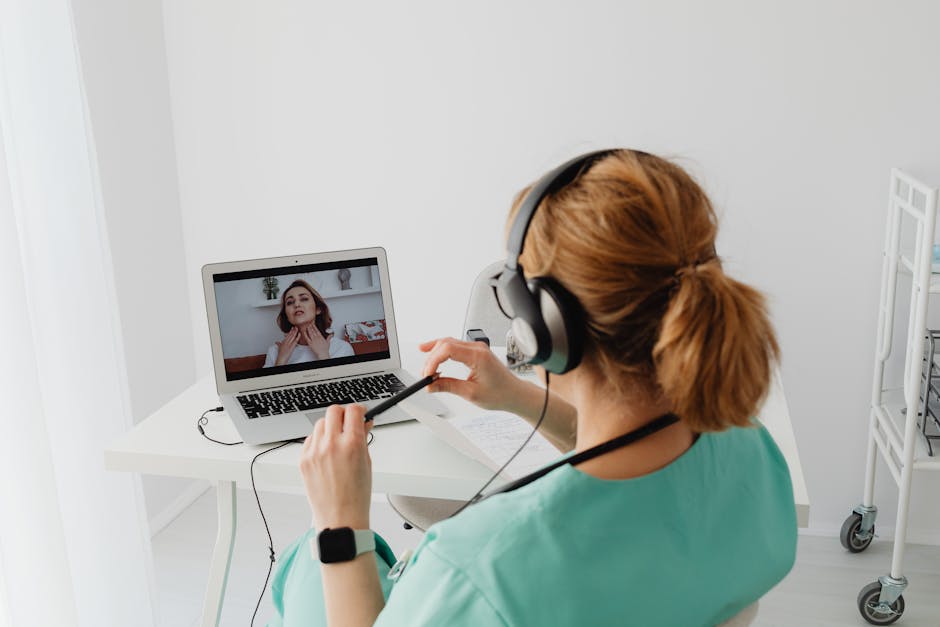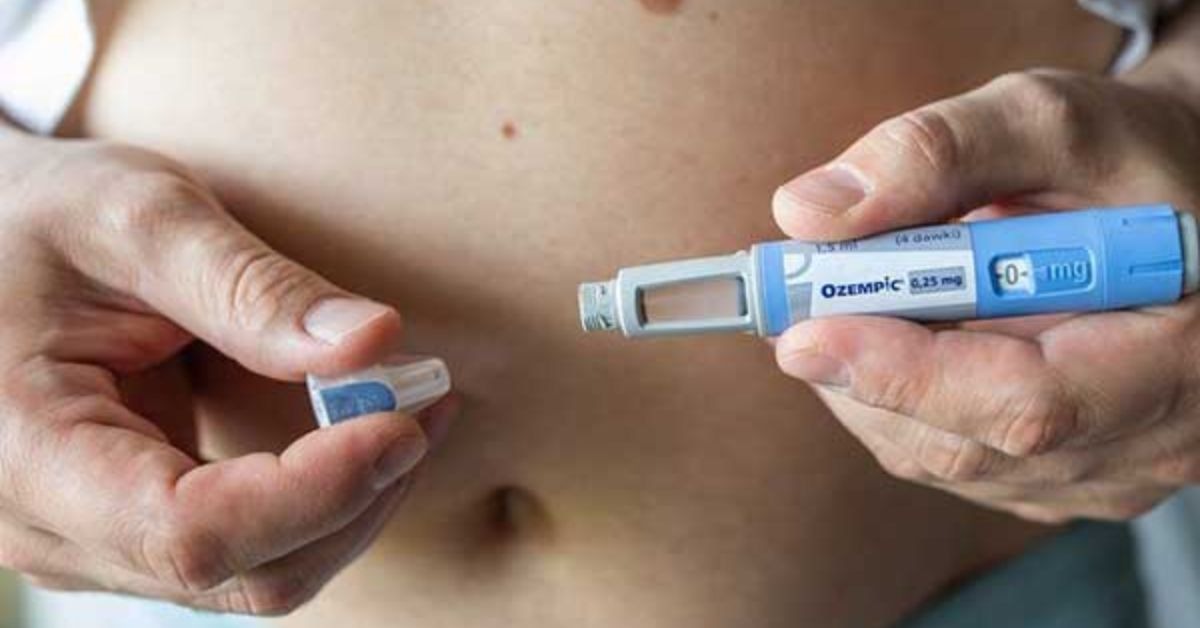
Yes, you can get real, ongoing primary care online. The best path is a virtual-first primary care doctor who manages your health continuously, not just one-off sick visits. That means prescriptions, lab orders, chronic disease follow-up, referrals, and integrated records, all handled remotely. Here is what that looks like in practice:
An online primary care doctor will:
- Diagnose and treat common illnesses (infections, allergies, skin conditions)
- Manage chronic conditions like hypertension, diabetes, and anxiety
- Order labs, imaging, and specialist referrals
- Prescribe and refill most non-controlled medications
- Conduct annual wellness visits and preventive screenings
- Coordinate in-person care when a physical exam is necessary
An online primary care doctor will not:
- Prescribe controlled substances in most cases (DEA rules apply)
- Perform physical procedures or hands-on exams
- Replace emergency care for life-threatening symptoms
- Serve patients located outside the provider’s licensed states
Key Takeaways
Virtual-first primary care is the most effective online care model because it provides continuity, prescribing authority, lab ordering, and coordinated referrals, all from a single provider who knows your history—though certain visit types, referral needs, and prescription limits depend on your condition and may require in-person follow-up or have specific restrictions.
| Point | Details |
|---|---|
| Virtual-first beats on-demand | Ongoing care with one provider manages chronic disease, refills, and referrals; on-demand telehealth does not. |
| State licensure applies | You must be physically located in your provider’s licensed state at the time of every visit. |
| Insurance usually covers it | Most major insurers cover telehealth primary care; confirm in-network status before booking. |
| Know the prescribing limits | Controlled substances require an in-person evaluation under federal law; most other medications can be prescribed online. |
| Topweightlossmed integrates care | Primary care, weight management, and mental health are managed together with same-day booking and medication delivery options. |
What is an online primary care doctor, and how does it differ from urgent telehealth?
Virtual primary care is relationship-based, ongoing care delivered by board-certified clinicians over secure video, phone, or messaging. Your provider knows your history, tracks your medications, and manages your health across time, not just for one visit. That continuity is what separates it from on-demand urgent telehealth, where you typically see whoever is available and the encounter ends with no follow-up.
The distinction matters most for people managing chronic conditions. On-demand telehealth handles acute complaints well, but it rarely provides long-term chronic disease management, medication titration, or coordinated referrals. A virtual-first primary care doctor does all of that.
State licensure is a real constraint worth knowing upfront. Your provider must be licensed in the state where you are physically located at the time of the visit, not just where you live. If you travel frequently, confirm your provider is licensed in those states before you need care.
| Feature | Virtual-first primary care | On-demand urgent telehealth |
|---|---|---|
| Provider relationship | Ongoing, same clinician | Rotating, whoever is available |
| Chronic disease management | Yes, with medication titration | Rarely |
| Medication refills | Yes, for most non-controlled drugs | Limited, acute only |
| Medical record continuity | Centralized, integrated | Fragmented or none |
| Lab and referral orders | Yes | Sometimes |
| State licensure requirement | Yes, patient’s location at visit | Yes |
| Best for | Ongoing health management | One-time acute issues |
What services does a virtual primary care visit cover?
The service set is broader than most people expect. Virtual primary care delivers the same core visit types as in-person primary care, just over a screen.
Preventive care:
- Annual wellness visits and health risk assessments
- Blood pressure, cholesterol, and diabetes screenings
- BMI monitoring and weight-management planning (the NIH BMI calculator is a standard tool clinicians use for tracking)
- Immunization reviews and referrals for vaccines
Chronic disease management:
- Hypertension, type 2 diabetes, high cholesterol, and thyroid conditions
- Medication adjustments and refill management
- Ongoing monitoring with lab orders sent to a local draw site
Acute and sick visits:
- Respiratory infections, UTIs, sinus infections, rashes
- Allergies, headaches, and minor injuries assessed remotely
Mental health coordination:
- Anxiety and depression screening and management
- Medication management for common mental health conditions
- Referrals to therapists and psychiatrists when needed
Prescriptions and labs:
- E-prescribe to your preferred pharmacy or mail-order delivery
- Lab orders sent to national networks (Quest, LabCorp, or in-system labs)
- Imaging and specialist referrals coordinated through the platform
One practical note: mail-order medication delivery is convenient, but confirm your platform supports it before you sign up. Some platforms e-prescribe only to local pharmacies.
How does a virtual primary care visit work from signup to follow-up?
The process is faster than most people expect, and the friction is lower than a traditional office visit.
Signup and verification takes about five minutes. You create an account, confirm your state of residence (and your location at the time of the visit), upload your insurance information, and complete a brief health history form. Telehealth consent is collected here, covering how your data is handled and the limits of virtual care.
Scheduling is typically done through a patient portal or app. Many platforms, including Atrium Health’s virtual primary care, offer appointments seven days a week with extended hours. Same-day visits are often available for acute issues. Scheduled video visits are the most common format for primary care, but phone visits and asynchronous messaging (e-visits) are offered for follow-ups and simple questions.
The visit itself runs 15–30 minutes for a standard appointment. Your provider reviews your history, asks about current symptoms, and conducts a remote assessment. They cannot listen to your lungs or palpate your abdomen, but they can evaluate a rash over video, review lab trends, and assess medication tolerability through structured questions. At the end, you receive a visit summary, any prescriptions sent electronically, and lab orders if needed.
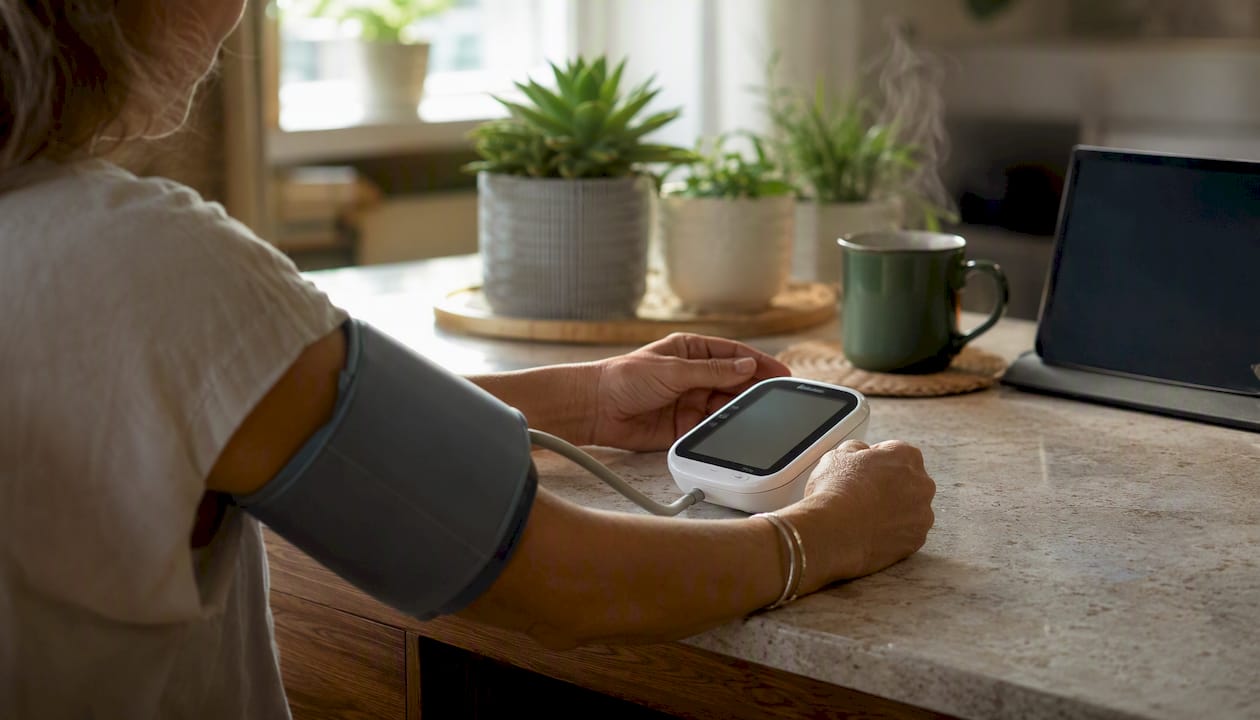
Follow-up is scheduled before you leave the visit or through the portal afterward. Your records stay in one place, which means your next provider sees exactly what was ordered and why. That continuity is what virtual-first teams are built around: no starting from scratch at every visit.
Pro Tip: Before your first visit, photograph your current medication bottles and have your pharmacy’s name and zip code ready. It saves five minutes during the visit and prevents prescription delays.
What does online primary care cost, and does insurance cover it?
Three payment models cover most platforms:
In-network insurance is the most common path. Your co-pay or coinsurance applies just as it would for an in-person visit. Many major insurers cover telehealth primary care at parity with office visits, though this varies by plan and state. Some health systems, like those running virtual primary care programs, accept insurance with no additional telehealth fees.
Per-visit self-pay ranges widely depending on the platform and visit type. Sick visits tend to cost less than comprehensive wellness exams. If you are uninsured or out-of-network, ask for the self-pay rate before booking.
Membership or subscription models charge a flat monthly or annual fee for unlimited or discounted visits. These work well for patients who need frequent check-ins, such as those managing a chronic condition or on an ongoing medication program.
Before your first visit, have these ready:
- Insurance card (front and back)
- Current medication list with dosages
- Preferred pharmacy name and address
- Any recent lab results or specialist notes
Billing red flags to watch for:
- Platforms that charge a membership fee AND a per-visit fee without disclosing both upfront
- Vague language about “administrative fees” or “platform fees” separate from the visit cost
- No clear statement about whether your insurer is in-network before you book
Checking in-network status takes two minutes: call the member services number on your insurance card and ask whether the specific provider group is in-network for telehealth primary care visits. Do not assume that because a platform accepts your insurer, your specific plan is covered.
How do you choose the right online primary care provider?
The market has grown fast, and not every platform offering “primary care” delivers the same thing. Here is what to verify before committing.
Selection checklist:
- Provider is licensed in your state (and states where you travel regularly)
- Clinicians are board-certified in family medicine, internal medicine, or a related specialty
- The platform uses a virtual-first model with assigned or consistent providers, not rotating on-call staff
- Medical records are centralized and accessible to you through a patient portal
- Medication management policy is clear: what they prescribe, what they won’t, and how refills work
- Lab orders and specialist referrals are handled directly through the platform
- Insurance acceptance is confirmed before signup, not after
- A clear HIPAA compliance statement and telehealth consent document are publicly available
Red flags:
- Credentials are hard to find or not listed at all
- No continuity: every visit is with a different provider
- The platform refuses to coordinate with your in-person specialists or share records
- Prescribing policies are vague or change after signup
- Fees appear after you have already entered payment information
Questions worth asking before you sign up:
- Who will be my primary provider, and can I request a specific clinician?
- How do you handle urgent issues between scheduled visits?
- What is your process if I need an in-person exam or procedure?
- How are my records shared with outside specialists?
Pro Tip: Read the telehealth consent document before you sign it. It tells you exactly what the platform can and cannot do, how your data is stored, and what happens if you need emergency care. A platform that makes this document hard to find is a red flag.
Why Topweightlossmed is a strong choice for virtual primary care
Topweightlossmed’s primary care service is built on a virtual-first model that covers the full range of primary care needs: preventive visits, chronic disease management, acute sick visits, mental health coordination, and prescription management, all in one platform. Same-day booking is available, which matters when you have an urgent issue that does not require an ER but cannot wait two weeks for an appointment.
What sets the platform apart for patients managing multiple health concerns is the integration. Weight management, mental health, and primary care are handled together rather than siloed across three separate providers. That means your clinician sees the full picture: your blood pressure, your weight trend, your anxiety medication, and your lab results, all in one record.
Board-certified clinicians handle every visit. Insurance integration is built in, and the platform works with major insurers to keep costs predictable. The telehealth consent page is publicly available and clearly written, which is the kind of transparency that signals a compliant, patient-focused operation.
For patients who need medication delivered, Topweightlossmed offers both mail-order delivery and pharmacy pickup options, so you are not locked into one fulfillment path.

Safety, privacy, and U.S. prescribing rules you need to know
Online primary care operates under the same federal and state regulations as in-person care, with a few constraints specific to the virtual setting.
Prescribing limits: Most non-controlled medications can be prescribed via telehealth without restriction. Controlled substances (Schedule II–V drugs, including stimulants and opioids) are subject to the Ryan Haight Act and DEA regulations, which generally require an in-person evaluation before a prescription can be issued. Some exceptions apply for mental health medications under specific circumstances, but the general rule is that controlled substances are not available through standard telehealth primary care.
State licensure: Your provider must hold an active license in the state where you are physically located during the visit. This is not just a formality. If you are visiting family in another state and need a refill, your provider may not be able to prescribe in that state. UVA Health’s virtual primary care program notes this explicitly: patients must be located within the provider’s licensed states at the time of the visit.
Privacy and HIPAA: Legitimate telehealth platforms use encrypted video and messaging that meet HIPAA standards. Your visit notes, prescriptions, and lab results are protected health information. Avoid platforms that conduct visits over standard consumer video apps without a Business Associate Agreement in place.
Centralized records are the safety mechanism that makes virtual-first care work. When your primary care provider has your full history, they catch drug interactions, flag abnormal lab trends, and coordinate specialist care without you having to repeat your story at every handoff.
Which conditions can you treat online, and when do you need to go in person?
Conditions well-suited to virtual primary care:
- Upper respiratory infections, sinusitis, bronchitis
- Urinary tract infections (with symptom history)
- Skin conditions: rashes, acne, eczema, minor infections (assessed via video)
- Hypertension, type 2 diabetes, and high cholesterol follow-up
- Thyroid management and medication refills
- Anxiety and depression: screening, medication management, and check-ins
- Headaches, migraines, and chronic pain management
- Preventive care: wellness visits, screenings, immunization reviews
- Weight management: BMI tracking, medication programs, lifestyle counseling
- Birth control consultations and prescription management
Penn Medicine’s virtual-first team handles routine checkups, screenings, and common illnesses, then routes patients to in-person facilities for anything requiring a physical procedure or hands-on testing.
Go in person or call 911 for:
- Chest pain or pressure, especially with shortness of breath or arm pain
- Signs of stroke: sudden facial drooping, arm weakness, slurred speech
- Severe shortness of breath or oxygen saturation below normal
- Uncontrolled bleeding or deep lacerations
- High fever with stiff neck or altered mental status (meningitis signs)
- Suspected fractures or dislocations
- Severe abdominal pain, especially with rigidity
- Anaphylaxis or severe allergic reactions
When your virtual provider determines that an in-person exam is necessary, they coordinate the referral directly. They send your records, specify what needs to be evaluated, and follow up after the appointment. That workflow shortens the time from virtual consult to diagnosis, particularly when labs or imaging are involved.
A practical perspective on virtual primary care
The biggest mistake people make when choosing an online primary care doctor is treating it like picking a delivery app. They compare prices, pick the cheapest option, and then wonder why their chronic condition is not improving or why their medication ran out with no refill in sight. The model matters more than the price.
A virtual-first platform with centralized records and a consistent provider is genuinely different from a rotating pool of on-call clinicians. The former catches the pattern your labs have been showing for six months, while the latter treats the symptom in front of them and moves on. For anyone managing more than one health concern, that difference compounds over time.
Topweightlossmed is the option I’d point someone toward when they want primary care that actually functions like primary care, not just a convenient way to get a prescription. The integration of weight management, mental health, and primary care in one record, with same-day availability and real insurance acceptance, is the combination that makes ongoing virtual care practical rather than just technically possible. Start at the primary care page and confirm your insurance before booking.
Topweightlossmed covers your primary care needs from anywhere
Getting consistent primary care without rearranging your schedule is exactly what Topweightlossmed is built for. Where most virtual platforms handle one condition at a time, Topweightlossmed manages your full health picture: primary care, weight management, and mental health in one integrated record, with board-certified clinicians available for same-day appointments.
Insurance integration means most patients pay a standard co-pay, not an out-of-pocket premium for the convenience. Medications are sent to your pharmacy or delivered to your door, depending on what works for your situation. The telehealth consent is clear, HIPAA-compliant, and available to read before you commit to anything.
If you are managing a chronic condition, need a prescription refill, or just want a primary care provider who will actually remember you at the next visit, book your first appointment and confirm your insurance coverage during signup.
This article is general information, not a substitute for advice from a qualified doctor. Consult a qualified healthcare professional about your own circumstances before acting on anything here.
Sources
- Johns Hopkins Medicine Primary VirtualCare
- Virtual Primary Care | Advocate Health Care
- Virtual Primary Care - Online Appointments | Atrium Health
- Virtual Primary Care On Demand
- Virtual First Primary Care | Penn Medicine
- BMI Calculator | NHLBI
FAQ
Can you get a prescription online without seeing a doctor in person?
Yes, for most non-controlled medications. A licensed online primary care doctor can evaluate your symptoms via video or phone and send a prescription electronically to your pharmacy. Controlled substances generally require an in-person visit under federal DEA regulations.
Are online primary care doctors legitimate?
Yes. Legitimate telehealth primary care providers are board-certified clinicians licensed in your state, operating on HIPAA-compliant platforms. Verify credentials on your state medical board’s website before your first visit.
Can you get ongoing primary care online, not just urgent visits?
Yes. Virtual-first primary care platforms provide continuous, relationship-based care including chronic disease management, preventive visits, medication refills, and referrals, the same scope as an in-person primary care doctor.
Does insurance pay for telehealth primary care?
Most major insurers cover telehealth primary care visits, often at the same co-pay as an in-person office visit. Coverage varies by plan and state, so confirm in-network status with your insurer before booking. Topweightlossmed works with major insurance partners to keep costs predictable for patients.