Whether insurance pays for a weight loss medication depends on your plan, the exact drug and the diagnosis it is prescribed for. Many Marketplace plans do not cover GLP-1 drugs for weight loss alone, Medicaid coverage is a state choice, and Medicare has a temporary Bridge program that began on July 1, 2026. Below you will find what each type of plan usually does, how to check your own coverage in a few minutes, and what to do if a claim is denied.
TL;DR
- Coverage is plan-specific. The same active ingredient can be covered for diabetes and excluded for weight loss.
- Prior authorization, formulary tiers and cost-sharing rules decide what you actually pay, even when a drug is covered.
- Medicare Part D generally does not cover drugs for weight loss, but the temporary Medicare GLP-1 Bridge program, which started July 1, 2026, opens access for eligible people with Part D.
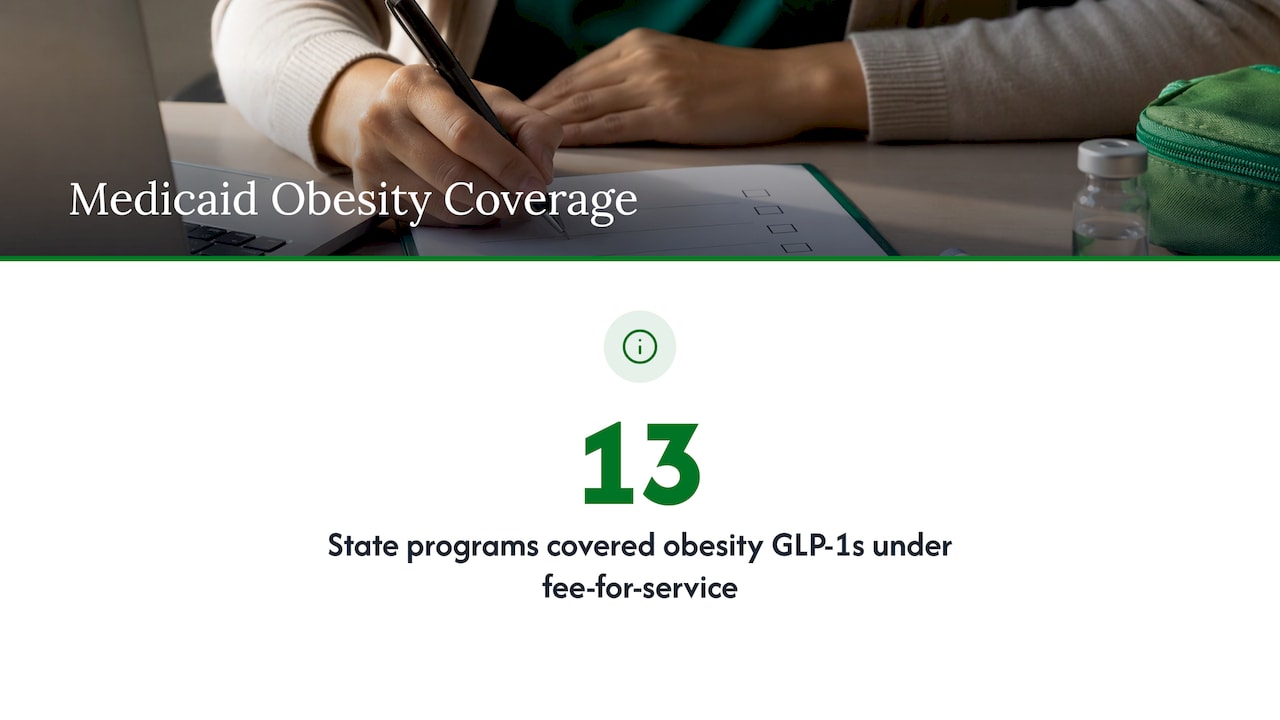
- Only 13 state Medicaid programs covered GLP-1s for obesity in fee-for-service as of January 2026.
- If you are denied, you can request a formulary exception and appeal. You generally have 180 days to file an internal appeal.
Table of Contents
- Why the diagnosis matters as much as the drug
- Which weight loss medications may be covered
- How coverage differs by type of plan
- The Medicare GLP-1 Bridge program
- How to check your own plan in 15 minutes
- Prior authorization: the practical gate
- If your plan says no
- Our perspective
- Get started with a provider
- FAQ
- Sources
Why the diagnosis matters as much as the drug
People often ask whether insurance covers semaglutide. The honest answer is that it depends on which semaglutide product you are prescribed and why. Wegovy is the semaglutide product approved for chronic weight management. Ozempic is semaglutide approved for diabetes. The AMA Council on Medical Service report on private coverage of anti-obesity medications describes this split, and coverage discussions follow it.
The numbers show how large the gap can be. A 2024 KFF analysis of Marketplace plans found Wegovy covered for weight loss in 1% of prescription drug plans, compared with 82% for Ozempic. Researchers at Penn LDI explain that insurers treat the same ingredient differently because the drugs are approved for different indications, and many plans cover the diabetes versions more often while restricting the weight-loss versions.
What this means for you:
- A plan that covers a GLP-1 for type 2 diabetes is not promising to cover it for weight loss.
- Your documented diagnosis, and the drug your clinician selects for it, drive the coverage decision.
- Always ask your plan how it treats the specific drug for your specific diagnosis, not just whether it covers “GLP-1s.”
Which weight loss medications may be covered
The FDA has approved several medications for adult obesity. The Obesity Action Coalition’s 2026 coverage guide lists these:
- Orlistat
- Phentermine-topiramate
- Naltrexone-bupropion
- Liraglutide (Saxenda)
- Semaglutide (Wegovy)
- Tirzepatide (Zepbound)
- Orforglipron (Foundayo)
Coverage of each one varies by plan, formulary, medical criteria and prior authorization requirements. Among the GLP-1 options, Wegovy, Zepbound, Saxenda and Foundayo are the chronic weight-management products, while Ozempic and Mounjaro are approved for other indications, so coverage may differ.
If a GLP-1 is not available to you under your plan, there are other prescription and lifestyle routes. Our guide to non-GLP-1 weight loss options covers them.
How coverage differs by type of plan
| Plan type | General pattern for weight-loss drugs | What to know |
|---|---|---|
| Employer-sponsored and private plans | Varies widely by employer and insurer | Benefit design and coverage criteria differ, which helps explain plan-dependent access |
| ACA Marketplace plans | Rarely covered for weight loss alone | Check the plan’s formulary before enrolling or at renewal |
| Medicare Part D | Generally not covered for weight loss | Covered for other accepted indications such as diabetes; Bridge program available since July 1, 2026 |
| Medicaid | Optional for states | 13 programs covered GLP-1s for obesity in fee-for-service as of January 2026 |
Employer and individual plans
Private and employer plans are the hardest to generalize. The AMA report notes that benefit structures and coverage criteria in private and employer-sponsored insurance can be used to offset cost variability, which is one reason two neighbors with the same insurer can get different answers.
Two plans from the same company can differ on three things:
- Whether weight-loss use is covered at all. Some employers exclude it entirely.
- Utilization management. Insurers can require prior authorization and other controls before approving a GLP-1.
- Cost sharing. Coverage depends on the drug’s tier, whether you pay a copay or coinsurance, and whether there is a separate prescription deductible.
If your plan does cover weight loss medication, a clinician matched to your health history can help you understand how plan rules shape which options are realistic. For a look at how some commercial plans weigh GLP-1s against older drugs, see this GLP-1 versus phentermine comparison.
Marketplace plans
On the ACA Marketplace, weight-loss GLP-1 coverage has been rare. The 1% figure for Wegovy above comes from 2024 plan data, so treat it as a baseline and check your plan’s current formulary. KFF recommends using the Marketplace prescription look-up tool, when available through HealthCare.gov, to see whether a drug is on a plan’s formulary and what its cost-sharing looks like.
Medicare
Outside the Bridge program, Medicare Part D does not cover prescription drugs used for weight loss, though it can cover the same drugs when they are prescribed for another medically accepted indication such as diabetes. CMS reaffirmed in a March 20, 2024 memo that Part D continues not to cover weight management.
Costs have also shifted. Penn LDI reports that an analysis of Medicare data from 2020 to 2025 found dramatic increases in out-of-pocket costs for GLP-1s, partly tied to how insurers reacted to the 2022 Inflation Reduction Act.
Medicaid
For Medicaid, states can exclude coverage of weight-loss drugs, while coverage is required for drugs approved for diabetes and, per KFF, certain cardiovascular and sleep apnea indications. As of January 2026, KFF reported that 13 state Medicaid programs covered GLP-1s for obesity under fee-for-service, and prior authorization can further limit access where coverage exists. Penn LDI’s 50-state-plus-DC analysis using June 2024 data reached the same count of 13 and found most of those required prior authorization. Your state Medicaid office can tell you the current status where you live.
The Medicare GLP-1 Bridge program
The Bridge is a temporary program that began on July 1, 2026. According to Medicare.gov, it includes Foundayo (tablet), Wegovy (injection or tablet) and Zepbound (KwikPen only) for certain people who have Medicare drug coverage (Part D).
To start GLP-1 therapy under the Bridge, you must be 18 or older and meet at least one BMI-based requirement:
- BMI of 35 or higher, or
- BMI of 30 or higher plus specified comorbidities, or
- BMI of 27 or higher plus specified comorbidities.
The program also requires a prescription from your provider, prior authorization when requested, and provider certification that the drug is part of a diet-and-exercise lifestyle program. You are not eligible if you already get GLP-1 drugs covered through your Part D plan. Because the Bridge is temporary, check Medicare.gov for its current terms before you plan around it.
If you are comparing Part D plans while you sort this out, a Medicare Part D plans guide can help you understand how drug plans are structured.
How to check your own plan in 15 minutes
- Find the formulary. Log in to your insurer’s member portal or use the Marketplace look-up tool and search for the exact drug name, such as Wegovy or Zepbound, not just the ingredient.
- Note the tier and cost-sharing. See whether you would pay a copay or coinsurance, and whether a separate prescription deductible applies.
- Look for restrictions. Prior authorization, step therapy and quantity limits are the common ones.
- Call member services. Ask: “How does my plan treat this drug when prescribed for weight loss, and for type 2 diabetes or cardiovascular disease?” Healthinsurance.org frames this as the key consumer action, because formulary coverage and exceptions depend on indication and plan rules.
- Write down the answer. Record the date, the representative’s name and any reference number.
Bring this information to your clinician. If you are not yet sure you qualify clinically, our overview of GLP-1 eligibility explains who qualifies and who should not take one.
Prior authorization: the practical gate
KFF Health News describes prior authorization as the practical gate insurers use: plans may cover GLP-1s when they are prescribed for specific non-weight-loss conditions, or when documentation supports coverage. In practice, a strong request is a complete one:
- Your current weight, height and BMI.
- Relevant conditions your clinician has diagnosed.
- Your history with diet, activity and any earlier weight-management efforts.
- The specific drug, dose and the clinical reason for choosing it.
Our guide to getting GLP-1 prior authorization approved fast walks through the paperwork step by step.
If your plan says no
A denial is not always the end. Work through these steps in order.
Ask for a formulary exception
If a drug is not on your plan’s formulary but your doctor says it is medically necessary, KFF says you can request an exception. If that is denied, you have the right to appeal.
File an internal appeal
HealthCare.gov describes three steps: file a claim, receive a written denial, then file an internal appeal. You generally must file within 180 days (6 months) of receiving the denial notice. CMS guidance likewise says you have at least 180 days from when your insurer notifies you in writing.

Typical reasons for appeal include a benefit not being offered under your plan, treatment being judged not medically necessary, or a service being labeled experimental or investigative.
Know the timelines and the next level
According to the same CMS guidance, internal appeals generally take 30 days for services you have not yet received and 60 days for services already rendered. A final denial can open the door to an external review by an independent party.
Check for step therapy or refill issues
If your plan requires you to try less expensive drugs first (step therapy), or you hit a quantity limit or a refill-too-soon rejection, you may be able to get authorization for an emergency refill depending on the circumstances. Ask your pharmacist and your plan what applies.
Our perspective
Most people who contact us have the same first question: “Will my insurance pay?” We understand why. The cost of a medication is often what decides whether someone starts care at all.
Our view is that coverage is only one part of the picture. The first step is a real clinical conversation: your history, your goals, your labs and which medication is appropriate for you. Once that is clear, the insurance questions become far easier to answer, because your clinician can document the right diagnosis and choose a drug your plan is more likely to recognize.
That is why we built Top Weight Loss Med around continuity. You can see a provider, get a prescription when it is appropriate, and have medication delivered or sent to a pharmacy, with support on the paperwork along the way. We also work with major insurance companies to keep care affordable. And if one medication does not fit your plan, a provider who knows your whole health history can talk through other options with you.
Check your plan, ask direct questions, and keep records. The coverage rules are complicated, but you do not have to work through them alone.
Bryan
Get started with a provider
If you want to know whether a prescription weight loss medication fits your health and your coverage, our virtual team can help. You can book a same-day visit with an experienced provider, talk through your history and, where appropriate, get a treatment plan with delivery to your door or pharmacy pickup.
Learn more about the TWL weight loss program, or read how GLP-1 telehealth works safely in the U.S.. If you want to understand the evidence first, see what the research shows on GLP-1 weight loss.
FAQ
Does insurance cover semaglutide for weight loss?
Sometimes, but not reliably. Wegovy is the semaglutide product approved for chronic weight management, and many plans restrict it, while Ozempic is covered far more often because it is approved for diabetes. In 2024 Marketplace data, Wegovy was covered for weight loss in 1% of plans versus 82% for Ozempic. Check your own formulary and ask about prior authorization.
Which weight loss drugs are covered by insurance?
No drug is covered by every plan. FDA-approved options include orlistat, phentermine-topiramate, naltrexone-bupropion, Saxenda, Wegovy, Zepbound and Foundayo. Whether any one is covered depends on your plan’s formulary, medical criteria and prior authorization rules, so the plan’s drug list is the place to start.
Does Medicare cover weight loss drugs?
Part D generally does not cover drugs used for weight loss, but it can cover the same drugs for other accepted indications such as diabetes. Since July 1, 2026, the temporary Medicare GLP-1 Bridge program has offered access to certain GLP-1 medications for eligible people with Part D, based on age, BMI and comorbidity criteria.
Does Medicaid cover GLP-1s for weight loss?
It depends on your state. Coverage of weight-loss drugs is optional, and 13 state Medicaid programs covered GLP-1s for obesity in fee-for-service as of January 2026. Where covered, prior authorization often applies. Contact your state Medicaid office for current rules.
How long do I have to appeal a denial?
You generally have 180 days (6 months) from the date of your denial notice to file an internal appeal, according to HealthCare.gov. File as early as you can and keep copies of everything you send.
Sources
- Does health insurance cover GLP-1 medications for weight loss? (healthinsurance.org)
- Costly GLP-1 Drugs are Rarely Covered for Weight Loss by Marketplace Plans (KFF)
- Patients Face New Barriers for GLP-1 Drugs (Penn LDI)
- Private Insurance Coverage of Anti-Obesity Medications (AMA)
- 2026 Prescription Medication Coverage (Obesity Action Coalition)
- Weight loss drugs (Medicare.gov)
- Medicaid Coverage of and Spending on GLP-1s (KFF)
- How can I find out if a health plan covers the prescription drugs that I take? (KFF)
- Trouble Getting Weight Loss Drugs Covered by Insurance? (KFF Health News)
- Internal appeals (HealthCare.gov)
- How to appeal a decision about your health insurance (CMS)
- What can I do if my health insurance denied coverage of my medication? (healthinsurance.org)
- Does health insurance cover drugs used for weight loss such as Ozempic, Wegovy, Mounjaro and Zepbound? (healthinsurance.org)