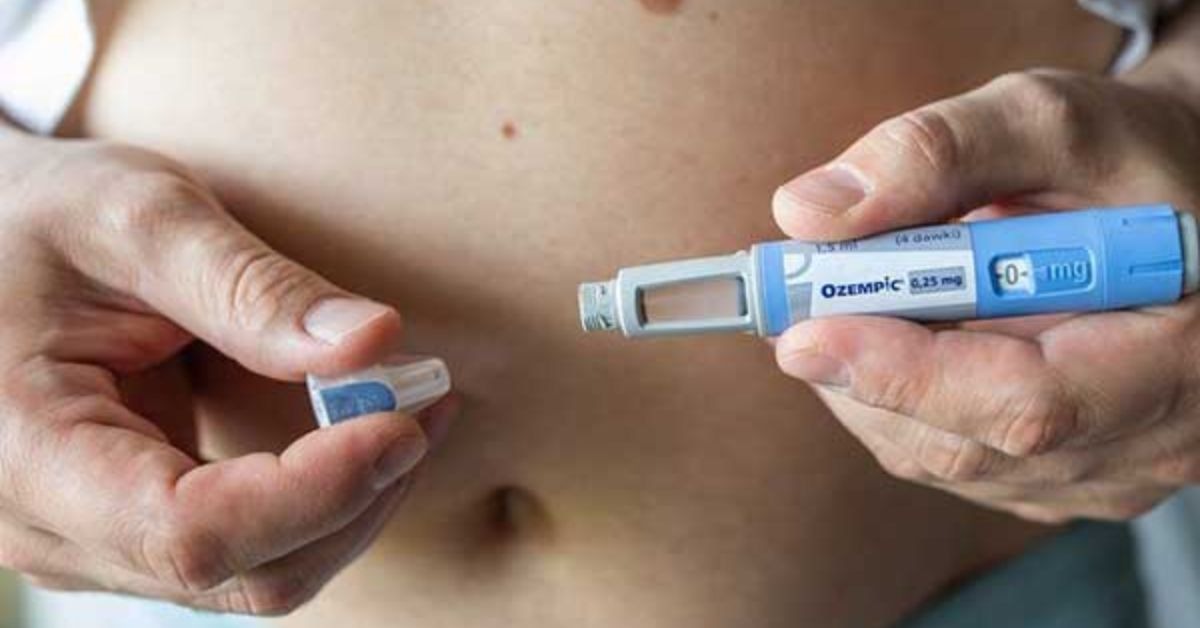
Most people who take semaglutide deal with nausea, mild vomiting, or digestive changes that ease once dosing stabilizes. A smaller group faces genuinely serious risks: pancreatitis, kidney injury from dehydration, gallbladder disease, worsening diabetic retinopathy, severe hypoglycemia when combined with insulin, and rare but real allergic reactions. Compounded semaglutide adds a separate layer of risk tied to dosing errors, which is why sourcing and medical supervision matter as much as the semaglutide formulations from Data Peptides themselves.
TL;DR:
- Serious risks such as pancreatitis, dehydration-induced kidney injury, gallbladder disease, and worsening diabetic retinopathy are rare but require prompt medical attention if symptoms occur.
- Most gastrointestinal side effects happen within the first days or weeks and typically resolve by adjusting diet, hydration, and following slow dose titration schedules.
- Patients with a history of gallstones, diabetic retinopathy, or kidney disease should be especially cautious and discuss personalized risk management with their healthcare provider.
- Dosing errors with compounded semaglutide carry additional dangers, highlighting the importance of sourcing from licensed, FDA-approved suppliers and medical supervision.
- Patients undergoing surgery or anesthesia should inform their surgical team, as semaglutide’s delayed gastric emptying increases aspiration risk and may require drug discontinuation before procedures.
What Are the Common vs. Serious Semaglutide Side Effects?
The overwhelming majority of semaglutide complaints are gastrointestinal, and they cluster in the weeks right after starting the drug or stepping up a dose. Trial data from the WEGOVY prescribing information lists nausea, vomiting, diarrhea, constipation, and abdominal pain as the most frequently reported reactions, each occurring at meaningfully higher rates than placebo.
Here’s the quick breakdown:
Common (usually mild, often improve within weeks):
- Nausea and vomiting
- Diarrhea or constipation
- Abdominal pain and bloating
- Decreased appetite
- Headache
- Hair thinning (typically tied to rapid weight loss, not the drug directly)
Serious (uncommon, but require medical attention):
- Pancreatitis (severe upper abdominal pain)
- Acute kidney injury from dehydration
- Gallbladder disease, including gallstones and cholecystitis
- Diabetic retinopathy complications
- Severe hypoglycemia (mainly when combined with insulin or sulfonylureas)
- Hypersensitivity reactions, including anaphylaxis
Pro Tip: Keep a simple symptom log for the first eight weeks. Note what you ate, when you injected, and how you felt 24 hours later. Patterns show up fast, and that log is gold for your prescriber if a dose adjustment becomes necessary.
A joint Harvard and CDC analysis found that serious adverse events remain uncommon overall, with GI complaints accounting for the bulk of reported issues. That’s the honest baseline: annoying is common, dangerous is rare.
Why Do GI Side Effects Happen, and How Long Do They Last?
Semaglutide slows gastric emptying and dampens appetite signals in the brain, which is exactly how it produces weight loss. It’s also exactly why your stomach protests early on. Food sits longer, stretches the stomach wall more than usual, and that triggers nausea, early fullness, and sometimes vomiting.

Symptoms typically show up within the first few days after a dose increase and settle down over one to three weeks as your body adjusts. Constipation tends to linger longer than nausea because slower gut transit doesn’t resolve as quickly as the acute “new dose” nausea does. Diarrhea, when it happens, is usually shorter lived and often resolves within the first week of a new dose.
Higher doses generally track with higher GI complaint rates, which is the entire rationale behind slow titration schedules rather than jumping straight to a maintenance dose.
What typically helps during the adjustment window:
- Eating smaller meals more frequently instead of three large ones
- Cutting back on fried, greasy, or very rich foods temporarily
- Stopping eating before you feel full, since the “full” signal now arrives late
- Sipping water steadily rather than gulping large amounts at once
- Avoiding lying down right after eating
Pro Tip: If nausea hits hardest on injection day, try moving your dose to the evening so you sleep through the worst of it, and confirm the timing with your prescriber first.
Incidence and severity vary somewhat across GLP-1 formulations and dosing schedules, but the underlying pattern (worse with dose increases, better with time) holds across the drug class.
What Serious Side Effects Should You Watch For?
The rare risks are the ones that change your emergency plan, not just your comfort level. Each has a distinct symptom pattern worth memorizing.
Pancreatitis shows up as severe, persistent pain in the upper abdomen that often radiates to the back, sometimes with nausea that won’t quit. This is not the routine nausea of dose adjustment. It’s sharper, constant, and doesn’t ease with rest or food changes.
Acute kidney injury usually traces back to dehydration. If vomiting or diarrhea run for more than a day or two, fluid losses can be significant enough to strain the kidneys. The StatPearls review on semaglutide links this mechanism directly to volume depletion from GI losses, not a direct toxic effect on kidney tissue.
Gallbladder disease is a documented risk with the entire GLP-1 drug class. Meta-analyses summarized in a peer-reviewed review show higher rates of gallstones and cholecystitis compared to control groups, likely tied to rapid weight loss altering bile composition. Watch for right upper abdominal pain, especially after fatty meals.
Diabetic retinopathy complications can worsen when blood sugar drops quickly in patients who already have retinal changes. DailyMed’s prescribing information flags this specifically for patients with a history of diabetic eye disease. New floaters, blurred vision, or vision loss warrant an eye exam, not a “wait and see.”
Severe hypoglycemia becomes a real concern only when semaglutide is stacked with insulin or sulfonylureas, since semaglutide alone rarely causes dangerous blood sugar drops. Hypersensitivity reactions, including facial swelling, difficulty breathing, or widespread rash, need emergency care immediately.
What Causes These Side Effects, and Who’s Most at Risk?
Nearly every side effect on this list traces back to one of two mechanisms: slowed digestion or changes in gallbladder and biliary function. GLP-1 receptors sit throughout the gut, and activating them tells your stomach to empty more slowly. That single mechanism explains nausea, fullness, constipation, and the perioperative aspiration concern covered later.
Gallbladder risk climbs with the speed and amount of weight loss, since rapid fat loss shifts cholesterol concentration in bile and encourages stone formation. Retinopathy risk climbs specifically in patients with existing diabetic eye disease, because a fast drop in blood glucose can transiently worsen retinal changes before things stabilize.
Certain people carry higher baseline risk:
- Anyone with a history of gallbladder disease or gallstones
- People with chronic kidney disease, who have less reserve to tolerate fluid losses
- Patients with existing diabetic retinopathy
- Anyone also taking insulin or a sulfonylurea
- People titrating too fast or skipping the recommended schedule
- Pregnant patients and those with a personal or family history of medullary thyroid carcinoma or MEN2, both contraindications tied to the thyroid C-cell tumor signal seen in animal studies
How Do You Manage and Reduce Semaglutide Side Effects?
Most side effect management comes down to four levers: pacing, diet, hydration, and communication with your prescriber. None of this is complicated, but consistency matters more than intensity.
- Follow the titration schedule exactly. “Start low, go slow” isn’t a suggestion, it’s the entire strategy behind minimizing GI intolerance. Jumping doses early because you’re impatient for results is the single most common cause of severe nausea.
- Adjust your diet around injection days. Smaller, lower-fat meals reduce the workload on a slower-moving stomach. Bland foods (rice, toast, broth-based soups) work well in the first 48 hours after a dose increase.
- Stay ahead of hydration. Water and electrolyte drinks matter more than most people realize, especially if you’re also dealing with diarrhea or vomiting. If you can’t keep fluids down for more than 24 hours, that’s a call to your prescriber, not a wait-it-out situation.
- Loop in your prescriber about other medications. If you’re on insulin or a sulfonylurea, your doses may need adjusting downward as semaglutide starts working, since the combination raises hypoglycemia risk.
- Consider targeted relief for lingering symptoms. Over-the-counter antiemetics for nausea or stool softeners for constipation can help, but check with your provider before adding anything new.
- Know when stopping is the right call. Persistent vomiting, signs of dehydration, or pain that doesn’t fit the “normal adjustment” pattern means pausing the drug and getting evaluated, not pushing through.
Pro Tip: Electrolyte packets are cheap insurance. Keep one on hand from day one of treatment so you’re not scrambling to the pharmacy mid-flare.
Do Other Medications or Health Conditions Change Your Risk?
Semaglutide doesn’t exist in a vacuum. What you’re already taking and any underlying conditions shift the risk profile in specific, predictable ways.
- Insulin and sulfonylureas raise hypoglycemia risk substantially when paired with semaglutide; most prescribers reduce those doses proactively rather than waiting for a low blood sugar event.
- Chronic kidney disease means less tolerance for the fluid losses that come with GI side effects, so hydration monitoring becomes more urgent, not optional.
- Pregnancy is generally a reason to avoid semaglutide, since safety data in pregnant patients remains limited and animal studies raised concerns.
- Older adults may need closer monitoring for dehydration and its downstream kidney effects, given a generally lower physiologic reserve.
- Oral medications with narrow timing windows (certain oral contraceptives, for example) can be affected by delayed gastric emptying, so it’s worth reviewing your full medication list with your prescriber before starting.
Why Is the FDA Warning People About Compounded Semaglutide?
The FDA’s safety communication on unapproved GLP-1 drugs documented roughly 990 adverse event reports tied to compounded semaglutide, many linked directly to dosing errors and resulting hospitalizations. Compounded products aren’t manufactured under the same quality controls as FDA-approved formulations, and dosing concentration can vary between batches or pharmacies in ways patients have no way of detecting.
Underreporting almost certainly makes the real number higher, since many compounding pharmacies aren’t required to submit adverse events to the FDA the way approved-drug manufacturers are.
Before using any compounded product:
- Verify the compounding pharmacy is properly licensed and accredited
- Prefer FDA-approved formulations whenever access and cost allow it
- Tell your prescriber if you’re using or considering a compounded version, since dosing guidance differs
If semaglutide cost is pushing you toward a compounded option, talk to your prescriber about alternatives before assuming compounded is your only path.
Does Semaglutide Affect Anesthesia or Surgery?
Because semaglutide slows gastric emptying, patients can have residual stomach contents even after a standard fasting period, raising aspiration risk during general anesthesia. Case reports and reviews on this exact concern describe aspiration events in GLP-1 patients undergoing procedures despite following normal pre-op fasting rules.
Tell your surgical team you’re taking semaglutide well before any scheduled procedure. Many clinicians recommend pausing the drug before elective general anesthesia, though exact timing varies by patient and procedure, so this needs direct coordination with both your prescriber and anesthesiologist rather than a one-size-fits-all rule.

When Should You Stop Semaglutide and Seek Urgent Care?
Certain symptoms mean stop the drug and get evaluated now: severe or worsening abdominal pain, fainting, difficulty breathing, sudden vision loss, or signs of significant dehydration like dizziness and reduced urination.
- Go to the emergency room for breathing difficulty, fainting, or severe pain
- Contact your prescriber same-day for persistent vomiting or new vision changes
- Report any serious reaction through FDA MedWatch, since adverse event reporting is what keeps the safety data current for everyone else
How Top Weight Loss Med Approaches Safe Prescribing
Supervised treatment is what turns this risk list into a manageable process instead of a guessing game. At Topweightlossmed, that means real screening before the first prescription, individualized titration based on how you’re actually responding, and scheduled follow-ups rather than a one-time script and silence. Medication delivery and insurance integration remove two of the biggest barriers to consistent, monitored care: logistics and cost.
— Bryan
Get Monitored Semaglutide Care Without the Guesswork
Reading about side effects is useful. Having someone actually watching for them is better. Topweightlossmed pairs semaglutide treatment with individualized dose titration, scheduled follow-up visits, and direct medication delivery, so adjustments happen based on how your body responds instead of a rigid, one-size-fits-all schedule.

At your first visit, be ready to share your full medication list, any history of gallbladder or kidney issues, and whether you have diabetic retinopathy, since all three change how your provider approaches titration. That single conversation does more to prevent a serious complication than any amount of independent research. If you’re ready to find out whether semaglutide could be the right fit for your weight loss goals, the intake process takes just a few minutes and connects you with a provider who reviews your history before anything gets prescribed.
This article is general information, not a substitute for advice from a qualified doctor. Consult a qualified healthcare professional about your own circumstances before acting on anything here.
Sources
- FDA’s concerns with unapproved GLP-1 drugs used for weight loss
- WEGOVY (semaglutide) prescribing information (DailyMed)
- Semaglutide Injection: MedlinePlus Drug Information
- Semaglutide - StatPearls
FAQ
What are the dangers of taking semaglutide?
The main dangers are pancreatitis, kidney injury from dehydration, gallbladder disease, worsening diabetic retinopathy in at-risk patients, and severe hypoglycemia when combined with insulin. Most people, however, only experience gastrointestinal symptoms like nausea and constipation.
How long does it take to lose 30 pounds on semaglutide?
Weight loss speed varies widely by starting weight, dose, and individual response, and most clinical evidence points to steady loss over several months rather than a fixed timeline for any specific number of pounds. Your prescriber can give you a realistic estimate based on your titration plan and progress.
When are semaglutide side effects usually the worst?
Side effects, especially nausea and GI discomfort, tend to peak in the days right after starting the drug or increasing a dose, then ease over one to three weeks as your body adjusts.
Do you gain weight back after stopping semaglutide?
Many patients regain some weight after stopping, since the appetite-suppressing and gastric-emptying effects fade once the medication clears your system. Ongoing dietary habits and medical follow-up, such as the continuity of care offered through Topweightlossmed’s weight loss programs, influence how much weight returns.