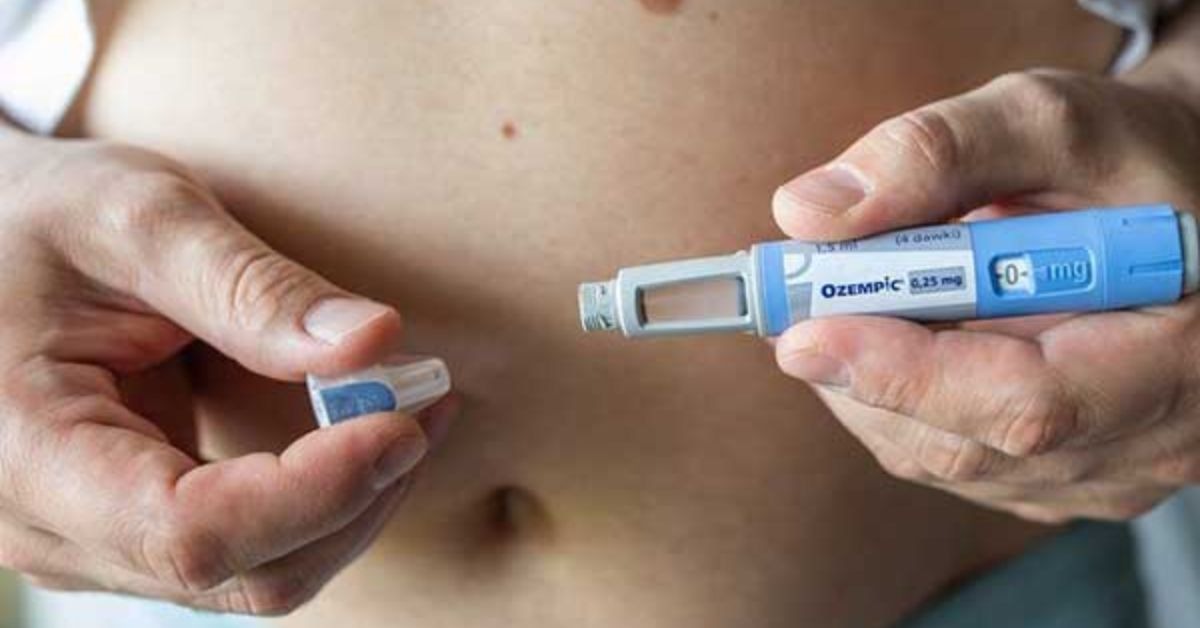
Injectable semaglutide starts at 0.25 mg once weekly, and the oral form starts at 3 mg once daily. Neither starting dose treats diabetes or produces meaningful weight loss. Providers raise the dose roughly every four weeks until reaching a maintenance dose, typically 2.4 mg weekly for Wegovy or between 0.5 mg and 2 mg weekly for Ozempic. Never adjust your own dose without a licensed prescriber’s guidance, and flag persistent nausea or any signs of low blood sugar right away, especially if you also take insulin.
TL;DR:
- The recommended titration schedule spans at least 16 weeks for Wegovy and includes gradual dose increases to minimize nausea and gastrointestinal side effects.
- Oral semaglutide requires strict timing and dosing rules, with the maximum dose of 14 mg daily, but it does not produce weight loss comparable to the injectable form at equivalent doses.
- Proper injection technique involves rotating sites, confirming pen labels and doses are correct, and holding the needle in the skin for the full duration to ensure complete dose delivery.
- Missed weekly doses should be taken as soon as remembered if less than five days have passed; longer gaps require re-titration under medical supervision to avoid severe side effects.
- Patients with certain health conditions, medication combinations, or pregnancy considerations need individualized guidance from a healthcare provider before starting or adjusting semaglutide treatment.
Weekly Injectable Semaglutide Dosing Schedule for Weight Loss and Diabetes
Semaglutide dosing follows a fixed climb, not a jump to an effective dose. That’s deliberate. The gut needs time to adjust to a GLP-1 receptor agonist slowing digestion, and starting high invites the nausea and vomiting that send people quitting treatment in week two.
For Wegovy, the FDA-approved product for chronic weight management, the labeled schedule moves through five dose levels:
- Weeks 1 to 4: 0.25 mg once weekly (this dose builds tolerance; it isn’t intended to produce weight loss)
- Weeks 5 to 8: 0.5 mg once weekly
- Weeks 9 to 12: 1 mg once weekly
- Weeks 13 to 16: 1.7 mg once weekly
- Week 17 onward: 2.4 mg once weekly, the standard maintenance dose
That’s a sixteen-week runway before you’re on the dose that clinical trials tested for sustained weight loss. If 2.4 mg causes intolerable side effects, prescribers commonly keep patients at 1.7 mg long term rather than force the final step. A lower maintenance dose that a patient actually tolerates beats a higher one they abandon.
Ozempic, approved for type 2 diabetes, uses a similar early climb but a different ceiling. The Ozempic label specifies:
- Weeks 1 to 4: 0.25 mg once weekly (a tolerance-building dose, not a glycemic-control dose)
- Week 5 onward: 0.5 mg once weekly, often sufficient for blood sugar targets
- If needed after at least 4 weeks on 0.5 mg: increase to 1 mg once weekly
- If additional glycemic control is needed after at least 4 weeks on 1 mg: increase to 2 mg once weekly, the maximum labeled dose
The difference between Wegovy’s 2.4 mg ceiling and Ozempic’s 2 mg ceiling isn’t arbitrary. Weight management trials found that higher doses produced additional average weight loss that justified the extra GI burden, while diabetes trials found that 2 mg maximized A1C reduction without meaningfully improving outcomes beyond that point for most patients. Your prescriber picks the target dose based on what the treatment is actually trying to accomplish, not a one-size-fits-all number.
You may also see mentions online of doses beyond 2.4 mg being used off label or in research settings. Those are not standard prescribing practice, and using them outside a specialist research protocol carries real risk. A clinical review of once-weekly semaglutide reinforces that dose increases should happen no sooner than every four weeks, and that delaying an increase by an additional four weeks is the recommended response to side effects rather than pushing forward on schedule.
If you’re managing type 2 diabetes and weight together, your maintenance dose isn’t automatically the higher number. Some patients land on 1 mg weekly of Ozempic and get both glycemic control and clinically meaningful weight loss without needing 2 mg. Others need the full 2.4 mg Wegovy dose to hit weight targets even with well-controlled blood sugar. This is why “semaglutide dosing” isn’t a single answer. It’s a range that your prescriber narrows down based on how your body responds at each step.
How Does Oral Semaglutide Dosing Work?
Rybelsus, the oral tablet form of semaglutide, follows its own titration path and a strict administration rule that trips up a lot of new patients. Get the timing wrong and you can absorb almost none of the dose.
The standard schedule, per clinical dosing monographs, runs:
- Days 1 to 30: 3 mg once daily (a tolerance-building dose that doesn’t produce significant glycemic or weight effects on its own)
- Days 31 to 60: 7 mg once daily
- Day 61 onward: 14 mg once daily if additional control is needed
The administration rule is non-negotiable: take the tablet with no more than 4 ounces of plain water, first thing, at least 30 minutes before eating, drinking anything else, or taking any other oral medication. Semaglutide tablets have poor bioavailability to begin with, and food, coffee, or other pills in the stomach cut absorption further. Taking it with breakfast instead of on an empty stomach isn’t a minor slip. It can mean you’re getting a fraction of your prescribed dose without knowing it.
This oral-versus-injectable distinction matters for anyone weighing convenience against effect size. Weekly injections bypass the gut entirely and hit steady blood levels more predictably, which is part of why Wegovy’s injectable form remains the primary option specifically approved for weight management. Oral semaglutide’s ceiling dose of 14 mg daily does not produce weight loss equivalent to Wegovy’s 2.4 mg weekly injection in comparable trials.
Converting from oral to injectable semaglutide, or the reverse, isn’t a simple milligram-for-milligram swap. There’s no linear equivalence between the two forms, and a clinician needs to individualize the transition to avoid both underdosing and overlapping exposure. If you’re switching formulations, that decision belongs to your prescriber, not a dosing calculator you found online.
Injection Technique, Sites, and Pen Setup
Getting the dose right on paper doesn’t matter if the injection itself is done incorrectly. Semaglutide pens are simple, but a few missteps are common enough to be worth walking through step by step.
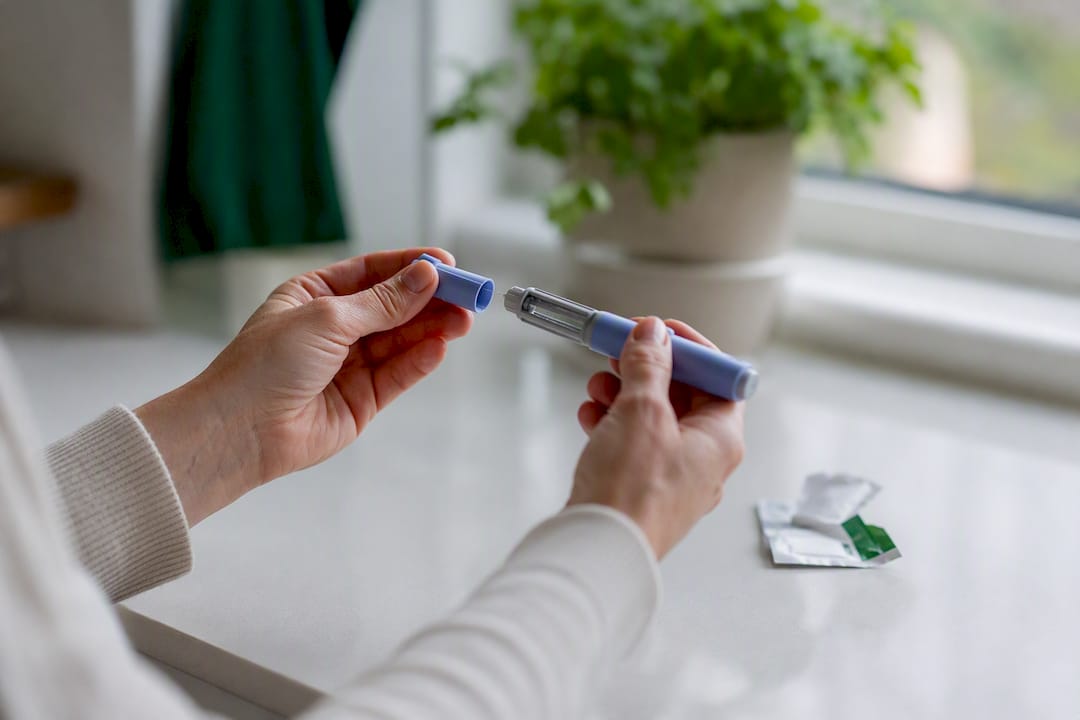
Where to inject: Subcutaneous injections go into the abdomen, the front of the thigh, or the back of the upper arm. Rotate within whichever region you choose so you’re not hitting the same quarter inch of skin every week, which can cause irritation or affect absorption over time.
Confirming your pen before you inject:
- Check the pen label against your prescription to confirm the correct medication and strength. Ozempic and Wegovy pens are packaged similarly, and mixing up a leftover pen from a previous dose level is an easy, avoidable error.
- Inspect the solution through the window. It should be clear and colorless to pale yellow. Discard anything cloudy or discolored.
- Attach a new needle if your pen requires one, and prime according to the manufacturer’s instructions if this is a new pen.
- Clean the injection site with an alcohol swab and let it dry.
- Insert the needle and press the injection button fully.
- Hold the pen in place for the number of seconds specified in your pen’s instructions, typically several seconds, before withdrawing.
- Remove the needle from the pen immediately after use and dispose of it in a sharps container.
Pro Tip: The single most common pen mistake is pulling the needle out too soon. The dose counter needs to reach zero and the pen needs to stay against the skin for the full hold time, or you can end up delivering only part of the dose without realizing it. Manufacturer pen guidance specifically calls out full injection time as essential for complete dose delivery.
Another mix-up worth flagging: Wegovy and Ozempic pens are color coded by dose strength, and if you have leftover pens from an earlier titration step, it’s easy to grab the wrong one from the fridge door. Check the strength printed on the pen every single time, not just when you first fill the prescription.
What Happens If You Miss a Dose of Semaglutide?
Missed-dose rules differ depending on whether you’re on the weekly injectable or the daily tablet, and depending on how close you are to your next scheduled dose.
For weekly injectable semaglutide, the general rule per prescribing information is:
- If it’s been less than 5 days since your missed dose, take it as soon as you remember, then resume your normal weekly schedule.
- If more than 5 days have passed, skip the missed dose entirely and take your next dose on the regularly scheduled day.
- Never take a dose if less than 48 hours remain before your next scheduled injection. Doubling up too close together increases GI side effects without adding benefit.
For oral semaglutide, the rule is simpler: if you miss a day, skip that dose and resume your normal schedule the next day. Never take two tablets to make up for a missed one. Doubling an oral dose does not improve outcomes and increases the risk of nausea and vomiting.
Changing your weekly injection day: You can shift the day you inject if your schedule requires it, as long as at least 48 hours separate your last dose and your new dose. Someone who normally injects Sunday can move to Wednesday, but shouldn’t inject Sunday and then again Monday.
After a longer gap: If you’ve missed two or more consecutive weekly doses, or gone more than two weeks without a dose, don’t just resume at your old maintenance dose. Many clinicians reinitiate treatment using the original escalation schedule rather than restarting at 2.4 mg or 2 mg, because the GI tolerance you built up fades once the medication clears your system. Restarting high after a gap is one of the more common ways people end up in urgent care with severe vomiting. Call your prescriber before restarting if it’s been more than two weeks.
Managing Nausea and GI Side Effects During Titration
Gastrointestinal side effects are the main reason people stop semaglutide, and they’re also the most preventable. The dosing schedule itself is a side-effect management tool, not just a formality.
Rushing the climb from 0.25 mg to 2.4 mg in a few weeks dramatically raises the odds of nausea, vomiting, and diarrhea severe enough to cause discontinuation. A clinical review of semaglutide for weight management specifically recommends delaying the next dose increase by an additional four weeks when a patient isn’t tolerating the current dose well, rather than pushing forward on the standard timeline or stopping treatment altogether.
That’s the core insight a lot of patients don’t realize going in: staying at a lower dose longer isn’t a failure. It’s the intended response to intolerance, and it’s usually far more effective than gritting through nausea in hopes it resolves on its own.
Practical steps that make a real difference during titration:
- Eat smaller, more frequent meals instead of three large ones. A full stomach combined with slowed gastric emptying is a recipe for nausea.
- Cut back on fatty, greasy, or heavily fried foods during the weeks right after a dose increase. These tend to sit longest and worsen GI symptoms.
- Stay ahead of hydration, especially if you’re experiencing any diarrhea or reduced appetite. Dehydration compounds nausea and can cause dizziness on its own.
- Ask your prescriber about approved antiemetics if nausea is persistent. Some patients benefit from short-term anti-nausea medication timed around their injection day.
- Avoid lying down immediately after eating, which can worsen reflux-type symptoms some patients experience on GLP-1 medications.
- Track your symptoms by day relative to your injection, so you and your prescriber can see whether symptoms cluster right after dosing or persist throughout the week, which changes the management approach.
Pro Tip: If nausea peaks in the first 48 to 72 hours after your injection and then fades, that pattern is normal and usually manageable with diet timing alone. If it doesn’t let up before your next dose, that’s the signal to call your prescriber about delaying escalation rather than pushing through.
Know when mild discomfort crosses into something that needs immediate attention. Contact your provider or seek care if you experience:
- Inability to keep down fluids for more than 24 hours
- Signs of dehydration such as dizziness, dark urine, or reduced urination
- Severe, persistent abdominal pain, particularly pain that radiates to the back, which can signal pancreatitis
- Vomiting with blood or symptoms of a gallbladder problem, such as pain in the upper right abdomen
Reviewing safety guidance before you start treatment, including how to manage side effects during a weight loss program, gives you a clear reference point for what’s expected versus what’s worth flagging early.
Special Populations and Drug Interaction Precautions
Certain patients and situations change the dosing conversation entirely, and these aren’t details to skip past.

Insulin and sulfonylureas: Combining semaglutide with insulin or insulin secretagogues (like sulfonylureas) raises the risk of hypoglycemia. Prescribers commonly reduce the dose of insulin or the secretagogue when starting semaglutide, and patients on this combination need to monitor blood glucose more closely, particularly during dose increases.
Pregnancy and childbearing potential: Semaglutide is not used for weight management during pregnancy, and women who could become pregnant should discuss contraception and a discontinuation timeline with their prescriber before starting. If pregnancy is planned or discovered during treatment, semaglutide should be stopped under medical guidance rather than tapered on your own.
Renal and hepatic impairment: Many labels don’t require a routine dose adjustment for mild to moderate kidney or liver impairment, but the Mayo Clinic monograph on semaglutide notes that closer monitoring is appropriate, and severe impairment warrants specialist referral before starting or continuing treatment. GI side effects like vomiting and diarrhea can also worsen kidney function indirectly through dehydration, which is another reason to manage nausea proactively rather than ignore it.
Personal or family history of thyroid cancer: Patients with a personal or family history of medullary thyroid carcinoma, or a diagnosis of Multiple Endocrine Neoplasia syndrome type 2, generally should not use semaglutide. This is a standard screening question during intake for good reason.
History of pancreatitis: Patients with a prior pancreatitis episode need a careful risk discussion with their prescriber, since abdominal pain during treatment can be harder to interpret against that history.
Older adults: Dosing doesn’t automatically change with age, but older patients are more susceptible to dehydration from GI side effects and may need closer monitoring during titration, particularly if they’re on other medications affecting kidney function or blood pressure.
None of these categories are reasons to assume semaglutide is off the table. They’re reasons the intake conversation with a prescriber matters more than a dosing chart alone ever could.
Switching Formulations, Doses, and Reinitiating After a Gap
Moving between oral and injectable semaglutide, or restarting after an interruption, needs individualized planning rather than a fixed formula.
A commonly used conversion approach starts a patient on 0.5 mg weekly injectable semaglutide the day after their final 14 mg oral Rybelsus dose, skipping the 0.25 mg injectable starting dose. That’s a clinical judgment call based on the idea that a patient already tolerating oral semaglutide at its top dose has demonstrated enough tolerance to skip the lowest injectable step, but it’s decided case by case, not applied automatically.
Key situations that call for a modified restart:
- Switching from injectable to oral, or oral to injectable: requires individualized dosing since there’s no direct milligram equivalence between the two forms.
- Missing two or more consecutive weekly injections: many clinicians restart using the full escalation schedule rather than the previous maintenance dose, since GI tolerance fades once semaglutide clears the body.
- A gap of more than two weeks for any reason: treat it the same way, with a conversation about re-titration before resuming, rather than picking back up where you left off.
- Switching between brand products at different doses (for example, moving from Ozempic to Wegovy once someone shifts focus from diabetes management to weight management): requires a prescriber to reconcile the different escalation schedules and maintenance targets rather than simply matching the milligram number.
If you’ve read about someone else’s semaglutide vs. tirzepatide experience and you’re wondering whether switching GLP-1 drug classes entirely makes sense for you, that’s a separate and more involved conversation. Comparing semaglutide and tirzepatide for weight loss involves different receptor targets, not just different doses of the same drug.
Storing Semaglutide Pens and Tablets Safely
Potency depends on proper storage, and getting it wrong can mean an underdosed injection without any visible warning sign.
Unopened semaglutide pens belong in the refrigerator, generally between 36°F and 46°F. Once a pen is in use, most products allow storage at room temperature for a limited window, typically several weeks, but the exact number of days varies by product, so check your specific pen’s insert. Never freeze semaglutide pens or tablets, and keep pens away from direct light and heat, including car interiors and windowsills.
Before every injection:
- Check the solution is clear and colorless to pale yellow; discard anything cloudy, discolored, or containing particles.
- Confirm the expiration date on the pen or the pen carton.
- Keep tablets in their original container, since Rybelsus is moisture-sensitive and shouldn’t be transferred to a pill organizer.
Dispose of used needles in an FDA-cleared sharps container, never in household trash. Most pharmacies and many local health departments offer sharps disposal or mail-back programs if you don’t already have a container at home. The FDA has specifically warned against unapproved compounded semaglutide products, which have been linked to dosing errors partly because they don’t carry the same manufacturer packaging, storage testing, or pen-dosing mechanisms as FDA-approved Wegovy and Ozempic.
How Top Weight Loss Med Approaches Safe Semaglutide Dosing
Getting the schedule right on paper is one thing. Getting it right for your specific body, week to week, is another, and that’s where a lot of self-directed dosing plans fall apart.
At Topweightlossmed, every semaglutide plan starts with a virtual clinical assessment, not a generic chart. A licensed provider reviews your health history, current medications, and goals before setting a starting dose, and that same provider stays involved through each escalation step rather than handing you a schedule and disappearing. Same-day appointments make it easier to flag GI side effects early, before they turn into the kind of dehydration or severe nausea that sends people to urgent care.
That ongoing relationship matters most exactly where this article spends the most time: deciding whether to hold at a dose, delay an increase, or push forward. Medication delivery gets your next dose to your door on schedule, and because Topweightlossmed also handles primary care and mental health support under one platform, side effects that touch other parts of your health don’t fall into a gap between providers.
— Bryan
Ready to Start a Provider-Guided Semaglutide Plan?
Reading a dosing chart is not the same as having someone adjust your plan when your body doesn’t follow it exactly. That gap, between the label schedule and your actual week-to-week experience, is where a supervised program earns its keep over a printout from a pharmacy insert.

Topweightlossmed builds each semaglutide plan around a real intake conversation: a licensed provider reviews your history, sets your starting dose, and adjusts your titration timeline if side effects show up, instead of leaving you to guess whether four more weeks at the same dose is the right call. The platform also integrates with major insurance partners, so cost questions get addressed before you commit rather than after your first shipment arrives. Coordinated care means your weight-loss provider, primary care, and mental health support all sit on one platform, which matters if a side effect touches more than just your GI system. If you’re ready to find out whether a provider-supervised program fits your situation, you can check your eligibility for weight loss injections and get a personalized titration plan started this week.
This article is general information, not a substitute for advice from a qualified doctor. Consult a qualified healthcare professional about your own circumstances before acting on anything here.
Sources
- Once-Weekly Semaglutide for Weight Management: A Clinical Review (PMC)
- Semaglutide - StatPearls (NCBI Bookshelf)
- Wegovy dosing and prescribing guide (DailyMed)
- Semaglutide (subcutaneous route) - Side effects & dosage (Mayo Clinic)
- FDA alert: dosing errors associated with compounded semaglutide
FAQ
Is 25 units of semaglutide a lot?
It depends entirely on the concentration of the specific vial or pen, since “units” measured on an insulin syringe don’t correspond to a fixed milligram amount across products. Always follow your prescriber’s specific instructions rather than converting units yourself, and use only FDA-approved pens with their labeled dosing mechanism.
Can I start semaglutide at 2.5 mg?
No. Standard semaglutide dosing starts at 0.25 mg weekly for injectables or 3 mg daily for oral tablets, both far below maintenance doses, and starting at a high dose sharply increases the risk of severe nausea and vomiting. A dose that high at the outset is not part of any FDA-approved schedule for Wegovy, Ozempic, or Rybelsus.
Can you take more than 2.4 mg of semaglutide?
The maximum labeled dose for Wegovy is 2.4 mg weekly, and for Ozempic it’s 2 mg weekly. Doses beyond those levels fall outside FDA-approved prescribing information and should never be used without direct specialist oversight in a research or highly individualized clinical context.
How many units is 0.5 mg of semaglutide?
The unit equivalent depends on the concentration of the specific pen or vial in use, so there’s no single universal answer. Your prescriber or pharmacist will specify the exact volume or unit marking for your prescribed pen strength, and following the pen’s printed dose window is safer than converting to insulin-syringe units yourself.
What should I do if semaglutide side effects don’t improve?
Contact your prescriber rather than pushing through or stopping on your own. The standard response is often to delay the next scheduled dose increase by four weeks, which the clinical literature supports as more effective than discontinuing treatment outright.