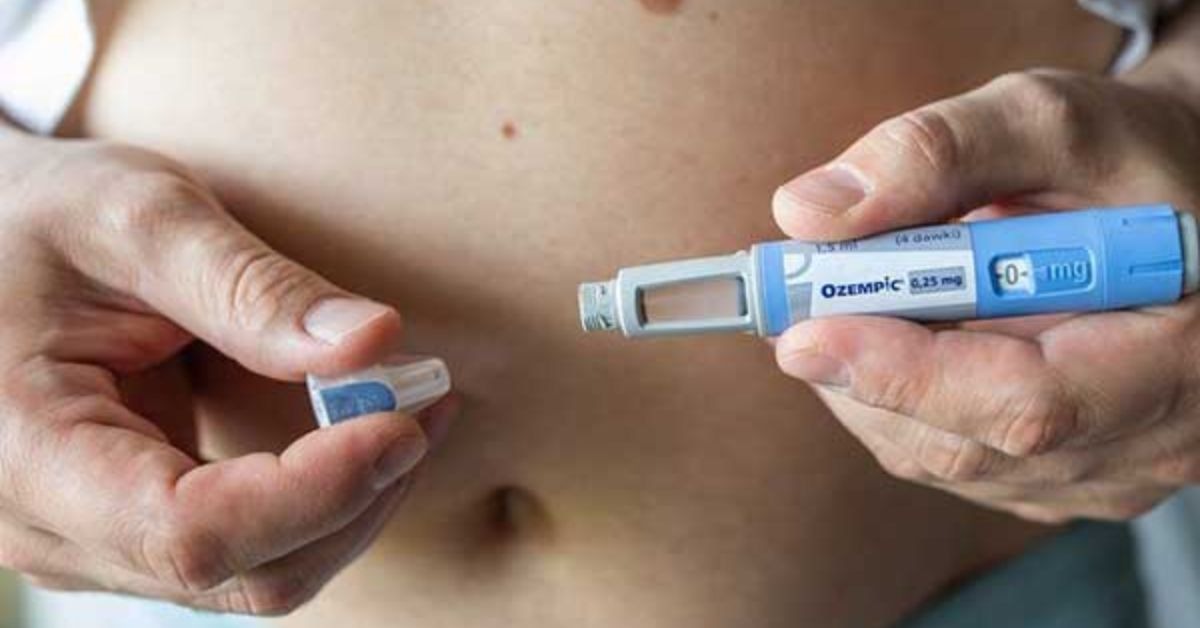
GLP-1 medications can produce clinically meaningful weight loss for many people, but they require medical supervision and carry real safety, cost, and long-term considerations you need to understand before starting. In pivotal trials like the STEP and SURMOUNT programs, participants lost roughly 10–25% of body weight over about one year, depending on the drug and dose. The FDA has approved several agents specifically for chronic weight management, and a newer oral option, Foundayo, reached the market in 2025. Topweightlossmed offers virtual access to these treatments with clinician oversight and insurance navigation support.
At a glance:
- Efficacy: Trial results range from about 10% body-weight loss with liraglutide to more than 20% with high-dose tirzepatide, though real-world averages are often lower due to adherence and access factors.
- Side effects: Nausea, vomiting, and diarrhea are the most common, especially during dose escalation; rare but serious risks include pancreatitis, gallbladder disease, and a boxed warning for medullary thyroid carcinoma.
- Practical next steps: Cost and insurance coverage are the most common barriers; telehealth programs and manufacturer savings cards can reduce out-of-pocket costs significantly.
If you want to understand the safety profile in detail before talking to a clinician, skip ahead to the side effects and eligibility sections below.
Key Takeaways
| Point | Details |
|---|---|
| Trial efficacy range | Semaglutide averages approximately 14.9% weight loss at 68 weeks; tirzepatide achieves weight loss generally over 20% at higher doses in SURMOUNT trials. |
| Side effects peak early | GI effects (nausea, vomiting, diarrhea) are most prominent during dose escalation and typically improve at stable dosing. |
| Stopping means regaining | Withdrawal trials show substantial weight regain when medication stops; plan a maintenance strategy before discontinuing. |
| Cost and coverage vary | Out-of-pocket costs can run several hundred dollars monthly; manufacturer savings cards and prior authorization support can reduce this significantly. |
| Topweightlossmed access | Topweightlossmed offers same-day virtual consultations, insurance navigation, and GLP-1 prescribing across approved agents. |
How GLP-1 medications work to reduce your weight
GLP-1 receptor agonists mimic glucagon-like peptide-1, a gut hormone your body naturally releases after eating, to reduce appetite, slow gastric emptying, and improve insulin and glucagon balance. The result is a lower calorie intake without the willpower battle that makes most diets unsustainable.
Three primary mechanisms drive the weight loss:
- Central appetite suppression: GLP-1 receptors in the hypothalamus and brainstem receive signals that reduce hunger and food cravings, cutting overall calorie intake.
- Slowed gastric emptying: Food leaves the stomach more slowly, so you feel full sooner and stay full longer after a meal.
- Improved insulin/glucagon balance: The drugs stimulate insulin secretion in response to glucose and suppress glucagon, which stabilizes blood sugar and reduces the metabolic drive to eat.
Tirzepatide (Zepbound, Mounjaro) adds a second pathway by also activating GIP receptors, the glucose-dependent insulinotropic polypeptide system. That dual GLP-1/GIP agonism appears to amplify weight loss beyond what single-receptor agents achieve, which is why tirzepatide’s trial results consistently land at the higher end of the efficacy range.
The clinical significance: A systematic review and meta-analysis in the International Journal of Obesity found that GLP-1 receptor agonists produce substantial reductions in fat mass and visceral adipose tissue, with only modest lean-mass loss, supporting the idea that the weight coming off is predominantly fat rather than muscle.
Which GLP-1 drugs are available in the U.S. right now
Six products dominate the conversation in U.S. clinical practice. Three carry an FDA weight-management indication; two are approved for type 2 diabetes but frequently discussed in weight-loss contexts; and one, Foundayo, is a recently approved oral small-molecule option.
| Drug (generic) | Typical weight loss in trials | Route and frequency | FDA indication | Key side effects / warnings | Cost/coverage signal | Adherence notes |
|---|---|---|---|---|---|---|
| Wegovy (semaglutide 2.4 mg) | Approximately 15% at 68 weeks | Weekly subcutaneous injection | Weight management | Nausea, vomiting, diarrhea; boxed warning MTC/MEN2 | Often covered with prior authorization for obesity | Refrigerate; rotate injection sites |
| Zepbound (tirzepatide) | Up to about 20% or more at higher doses | Weekly subcutaneous injection | Weight management | Similar GI profile; boxed warning MTC/MEN2 | Coverage expanding; manufacturer savings card available | Refrigerate; same-day weekly schedule |
| Saxenda (liraglutide 3 mg) | Approximately 5–8% at 56 weeks | Daily subcutaneous injection | Weight management | Nausea common; boxed warning MTC/MEN2 | Broader insurance history; lower cost tier | Daily injection; gradual titration over 5 weeks |
| Foundayo (orforglipron) | Phase 3 data pending full publication | Daily oral tablet | Weight management (2025 approval) | GI effects; no MTC boxed warning (small molecule) | Pricing not yet widely listed | No fasting requirement; more flexible timing |
| Ozempic (semaglutide up to 2 mg) | Approximately 10–15% (diabetes trials) | Weekly subcutaneous injection | Type 2 diabetes | Same GI and MTC profile as Wegovy | Often covered for diabetes; off-label for weight | Same injection mechanics as Wegovy |
| Mounjaro (tirzepatide 5–15 mg) | Up to about 20% or more (SURMOUNT data) | Weekly subcutaneous injection | Type 2 diabetes | Same as Zepbound | Covered for diabetes; off-label for weight | Same injection mechanics as Zepbound |
Quick distinctions worth knowing:
- Wegovy vs. Ozempic: Same molecule (semaglutide), different approved doses and indications. Wegovy is dosed at 2.4 mg for weight; Ozempic tops out at 2 mg for diabetes.
- Zepbound vs. Mounjaro: Same molecule (tirzepatide), same split. Zepbound is the weight-management brand; Mounjaro is the diabetes brand.
- Foundayo (orforglipron): The first non-peptide oral GLP-1 agonist approved in the U.S. Unlike oral semaglutide formulations that use an absorption enhancer and require strict fasting, Foundayo’s small-molecule design allows more flexible timing, which may improve adherence for patients who struggle with injection anxiety or complex morning routines.
- Saxenda: The oldest weight-management GLP-1 on the market. Daily injection and a more modest efficacy ceiling make it less common in new prescriptions, but it has the longest real-world safety record.
For a deeper look at how semaglutide and tirzepatide compare head-to-head, see Topweightlossmed’s semaglutide vs. tirzepatide breakdown.
How effective are GLP-1s? Trial results and realistic timelines
What the pivotal trials showed:
- SURMOUNT / tirzepatide trials: Mean weight loss exceeded 20% at higher doses in several Phase 3 programs, making tirzepatide the highest-performing approved agent to date.
- Saxenda (liraglutide 3 mg): Roughly 5–8% weight loss at 56 weeks in weight-management trials, lower than the newer weekly agents.
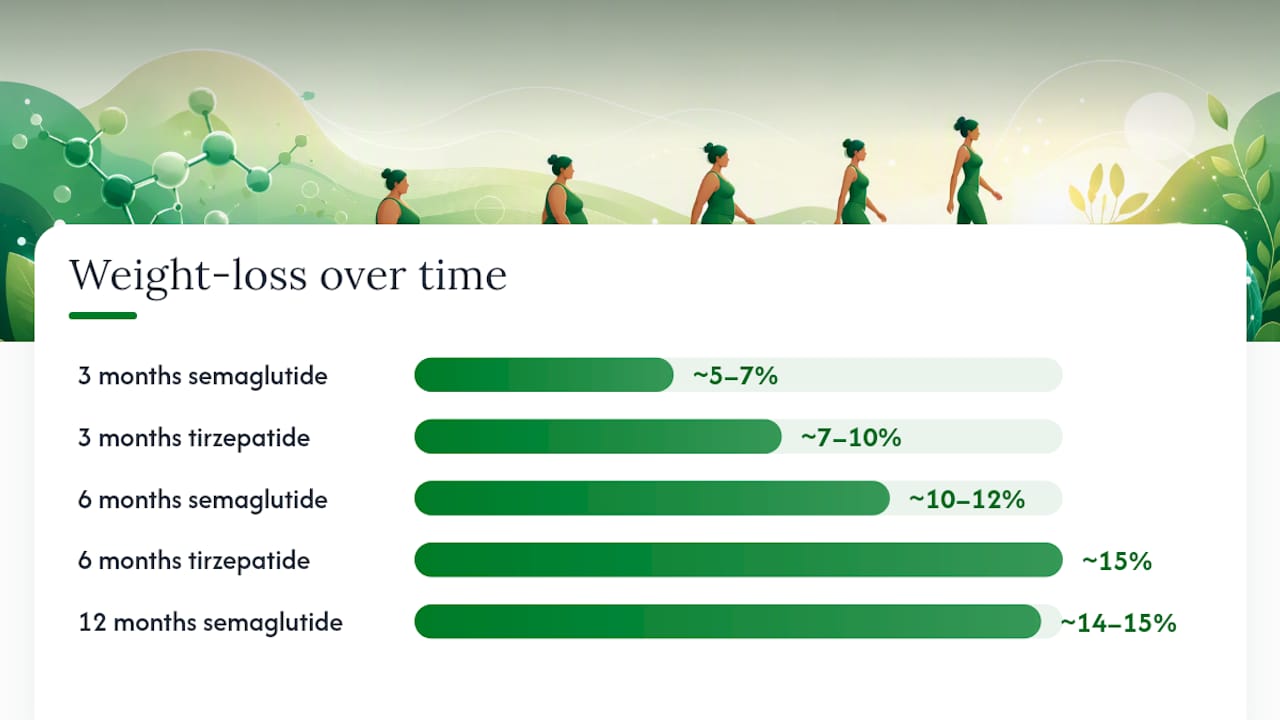
The pace is not linear. Most patients lose the most weight in the first six months, with the rate slowing as the body adapts and as the maintenance dose is reached.
Approximate timeline by phase:
| Timepoint | Typical % weight loss (semaglutide) | Typical % weight loss (tirzepatide) | Notes |
|---|---|---|---|
| 3 months | ~5–7% | ~7–10% | Still in titration phase for most patients |
| 6 months | ~10–12% | ~15% | Approaching or at maintenance dose |
| 12 months | ~14–15% | More than 20% | Full trial-range results; real-world may be 2–5 points lower |
Real-world results are typically lower than trial figures. Participants in trials receive intensive support, regular monitoring, and free medication. In practice, insurance gaps, dose interruptions, and lower adherence all compress the average outcome.
Side effects, boxed warnings, and what we still don’t know long-term
Most adverse effects are gastrointestinal and tied to dose escalation. That is the honest summary. But rare, serious events and formal boxed warnings exist, and you need to know them before starting.
Common, early side effects:
- Nausea (most frequent, especially in the first 4–8 weeks)
- Vomiting and diarrhea
- Constipation
- Injection-site reactions (redness, bruising, nodules)
- Fatigue and headache during titration
Gastrointestinal adverse events are the most frequently reported side effects and are most prominent during initiation and up-titration. Gradual dose escalation, eating smaller meals, avoiding high-fat foods, and timing injections on a consistent day of the week all reduce severity. Most patients find GI symptoms improve substantially once they reach a stable dose.
Serious but rarer risks:
- Pancreatitis: Cases have been reported; acute abdominal pain radiating to the back warrants stopping the drug and seeking urgent care.
- Gallbladder disease: Cholelithiasis and cholecystitis occur at higher rates than placebo in several trials; rapid weight loss itself is a contributing factor.
- Acute kidney injury: Usually secondary to dehydration from vomiting or diarrhea; staying hydrated during GI episodes is critical.
- Lean-mass loss: Modest but measurable across agents; resistance training during treatment helps preserve muscle.
Boxed warning: All currently approved injectable GLP-1 weight-loss drugs carry an FDA boxed warning for the risk of medullary thyroid carcinoma (MTC) and are contraindicated in patients with a personal or family history of MTC or Multiple Endocrine Neoplasia type 2 (MEN2). Foundayo (orforglipron), as a small-molecule agent, does not carry the same MTC boxed warning, though long-term thyroid data are still accumulating.
Pregnancy: These medications are not recommended during pregnancy. Women of childbearing age should use effective contraception and discuss timing with their clinician before starting, since some agents may affect oral contraceptive absorption.
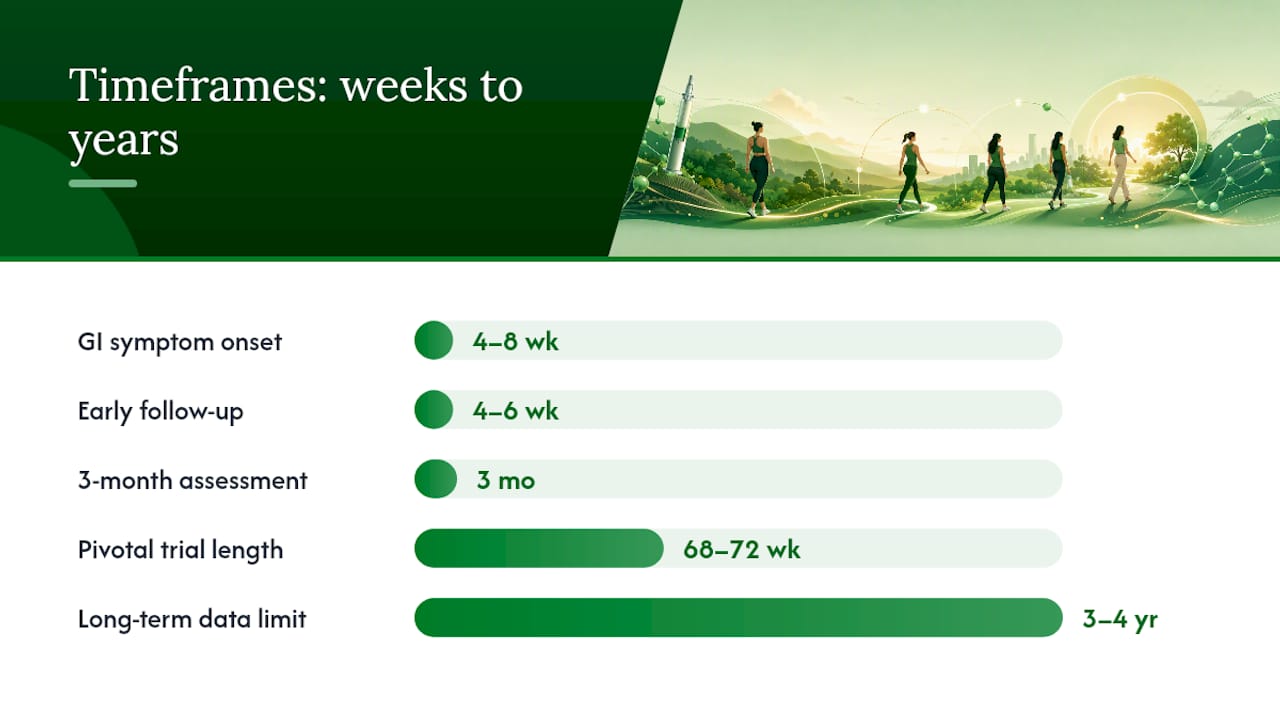
What we still don’t know: Long-term controlled safety data beyond three to four years are limited. Most pivotal trials ran 68–72 weeks. Observational data are accumulating, but the full picture on cardiovascular outcomes in non-diabetic patients, bone density over many years, and very-long-term lean-mass effects is still developing. That uncertainty is not a reason to avoid treatment for appropriate candidates, but it is a reason to stay in regular follow-up.
Pro Tip: Before starting any GLP-1 medication, ask your clinician to order a baseline fasting metabolic panel, lipid panel, and A1c if you have diabetes risk factors. Schedule a follow-up at 4–6 weeks to review GI tolerance and at 3 months to assess weight response. Severe abdominal pain, jaundice, or signs of dehydration from persistent vomiting are reasons to stop the drug and seek same-day care. Review Topweightlossmed’s safety information page for a full monitoring checklist.
Who qualifies for GLP-1 therapy and who should not take it
Candidacy is determined by BMI, comorbidities, pregnancy risk, and medical history. A clinician makes the final call, but knowing the standard criteria helps you prepare.
Typical eligibility thresholds used in U.S. practice:
- BMI of 30 or higher with no weight-related comorbidity, OR
- BMI of 27 or higher with at least one weight-related condition (type 2 diabetes, hypertension, dyslipidemia, obstructive sleep apnea, or cardiovascular disease)
- Prior documented attempts at lifestyle modification
- No absolute contraindications (see below)
Adults with type 2 diabetes may qualify at lower BMI thresholds depending on the prescribing indication and clinical judgment. Check your eligibility for weight-loss injections through Topweightlossmed’s intake screening to see which criteria apply to your situation.
Absolute and relative contraindications:
- Personal or family history of medullary thyroid carcinoma or MEN2 (absolute contraindication for all injectable GLP-1 agents with MTC warning)
- Active or recent pancreatitis
- Pregnancy or actively trying to conceive
- Severe gastroparesis or other significant gastrointestinal motility disorders
- Oral agents (including some oral semaglutide formulations): caution with drugs requiring precise absorption timing, including levothyroxine and some oral contraceptives
Special populations:
Adolescents (ages 12 and up) can be considered for Wegovy under FDA labeling, but specialist input from a pediatric obesity medicine clinician is strongly recommended. Older adults and patients with severe renal or hepatic impairment need individualized dose assessment; some agents have limited data in these groups. Complex cases, including patients on multiple medications or with significant comorbidities, benefit from a multidisciplinary team rather than a single prescriber working alone.
A note on BMI thresholds: The standard 27/30 cutoffs come from FDA labeling and most insurance criteria, but BMI is an imperfect proxy for metabolic risk. Clinicians increasingly consider waist circumference, metabolic labs, and cardiovascular risk scores alongside BMI when making prescribing decisions.
How GLP-1s are taken, titrated, and monitored
Dosing and administration depend on the product. Most weekly injectable GLP-1s use stepwise up-titration over several months; oral formulations have their own timing rules that vary by agent.
Practical administration rules:
- Weekly injectables (Wegovy, Zepbound, Ozempic, Mounjaro): Subcutaneous injection into the abdomen, thigh, or upper arm. Rotate sites. Store in the refrigerator; can be kept at room temperature for up to 28 days once in use. Inject on the same day each week; if you miss a dose by more than a few days, skip it and resume on the next scheduled day.
- Saxenda (liraglutide): Daily injection, same site-rotation rules. Titrate from 0.6 mg/day up to 3 mg/day over five weeks.
- Oral semaglutide formulations: Must be taken on an empty stomach with no more than 4 oz of plain water, at least 30 minutes before any food, drink, or other medications. The absorption enhancer (SNAC) is sensitive to food and other agents.
- Foundayo (orforglipron): Does not require fasting or special timing, which is a meaningful practical advantage for patients managing multiple morning medications.
Typical titration schedule for weekly injectables: Most programs start at the lowest available dose and increase every 4 weeks, aiming for the highest tolerated maintenance dose. Rushing titration is the most common reason for intolerable GI side effects.
Monitoring checklist:
- Baseline: fasting metabolic panel, lipid panel, A1c (if diabetes risk), thyroid history review, pregnancy test if applicable
- 4–6 weeks: GI tolerance check, weight, blood pressure
- 3 months: weight response, metabolic labs if indicated
- Every 3–6 months ongoing: weight, labs, dose review, behavioral support check-in
Pro Tip: If you take levothyroxine, oral contraceptives, or any medication requiring consistent absorption timing, discuss the schedule with your clinician before starting an oral GLP-1 agent. Telehealth programs like Topweightlossmed typically handle dose adjustments through asynchronous messaging or scheduled follow-up visits, so you don’t need to wait for an in-person appointment to flag a tolerance issue.
What GLP-1 treatment actually costs and how to access it safely
GLP-1 treatment can be expensive without insurance coverage. Out-of-pocket monthly costs for brand-name weekly injectables can run several hundred dollars per month, and insurance coverage for weight-loss indications remains inconsistent across plans and employers.
What drives the cost gap:
- Drugs approved for diabetes (Ozempic, Mounjaro) are more consistently covered than those approved for weight management (Wegovy, Zepbound), even when the molecules are identical.
- Many commercial plans require prior authorization with documentation of BMI, comorbidities, and prior weight-loss attempts.
- Medicare Part D historically excluded weight-loss drugs, though coverage policy has been evolving.
Ways to reduce out-of-pocket costs:
- Manufacturer savings programs: Novo Nordisk (Wegovy) and Eli Lilly (Zepbound) offer savings cards that can reduce monthly costs for eligible commercially insured patients.
- Prior authorization support: A clinician who documents medical necessity, including BMI history, comorbidities, and prior treatment attempts, significantly improves approval odds.
- Telehealth navigation: Reputable virtual programs often include insurance benefit checks and manufacturer assistance enrollment as part of their service. Topweightlossmed’s weight-loss program includes insurance navigation support.
- Appeals: If a prior auth is denied, a formal appeal with additional clinical documentation succeeds in a meaningful share of cases.
A firm safety warning: Do not buy GLP-1 products from online pharmacies, social media sellers, or compounding pharmacies that are not working from a valid prescription and licensed under state pharmacy law. Compounded or illicit GLP-1 products lack FDA approval, standardized dosing, and sterility oversight. Contamination, incorrect dosing, and unknown excipients have caused serious harm. The lower price is not worth the risk.
What happens when you stop GLP-1 therapy
Stopping GLP-1 medications commonly leads to weight regain. This is not a personal failure; it reflects the biology of obesity as a chronic condition.
Randomized withdrawal trials showed that participants who were switched from active drug to placebo regained a substantial portion of their lost weight, while those who continued treatment maintained their losses. Diet and exercise alone, without pharmacotherapy, were not sufficient to prevent regain in those trials for most participants.
The practical implication: GLP-1 therapy is most accurately framed as a long-term management tool, not a short course. Stopping without a transition plan is the single most common reason patients regain weight within months of discontinuation. Planning for what comes next should happen before you stop, not after.
Strategies to reduce regain risk:
- Structured nutrition plan with a registered dietitian, ideally started during treatment, not after stopping
- Resistance training throughout treatment to preserve lean mass and metabolic rate
- Behavioral counseling to address eating patterns and psychological drivers of weight gain
- Staged weaning: some clinicians reduce dose gradually rather than stopping abruptly, though evidence for this approach is still limited
- Transition to a maintenance pharmacotherapy option if appropriate, discussed with your prescribing clinician
The honest reality is that long-term controlled data beyond three to four years are sparse. What the available evidence does show clearly is that the drug is doing meaningful work, and stopping it without a plan tends to undo that work.
Alternatives to GLP-1s and when to consider them
GLP-1 receptor agonists are one effective tool among several. Alternatives include older anti-obesity medications, endoscopic procedures, and bariatric surgery, each with different efficacy ceilings, risk profiles, and cost structures.
Non-GLP-1 pharmacotherapy options:
- Phentermine/topiramate (Qsymia): Produces roughly 8–10% weight loss at one year; lower cost than GLP-1 agents but carries cardiovascular and teratogenicity cautions.
- Naltrexone/bupropion (Contrave): Roughly 5–8% weight loss; useful when mood or food-reward patterns are prominent drivers of weight gain.
- Orlistat: Modest efficacy (roughly 3–5% beyond placebo); works by blocking fat absorption rather than appetite suppression; significant GI side effects limit adherence.
Procedural and surgical options:
- Bariatric surgery (Roux-en-Y gastric bypass, sleeve gastrectomy): Produces 25–35% total body weight loss on average, with the highest durability of any current intervention. Appropriate for patients with BMI over 35 with comorbidities or over 40 without, or when pharmacotherapy has failed.
- Endoscopic sleeve gastroplasty (ESG): Less invasive than surgery; roughly 15–20% weight loss at one year in published series; reversible in principle but with limited long-term data.
- Intragastric balloon: Temporary device (6 months); roughly 10–15% weight loss; primarily a bridge or adjunct rather than a standalone long-term solution.
Combination strategies: Clinicians increasingly combine pharmacotherapy with structured lifestyle programs and, in some cases, plan staged approaches where a patient starts with medication, achieves partial weight loss, and then reassesses surgical candidacy. GLP-1 agents are also being studied as adjuncts after bariatric surgery to manage weight regain.
When to discuss alternatives with your clinician: very high BMI (over 40), need for diabetes remission rather than just glucose control, intolerable side effects on multiple GLP-1 agents, or when your weight-loss goal exceeds what pharmacotherapy alone is likely to achieve.
How to talk to a clinician about GLP-1 treatment
A productive first appointment, whether virtual or in-person, comes down to preparation. Bring the right information and ask the right questions.
What to bring:
- Current medication list, including supplements and OTC drugs
- Weight history: highest adult weight, recent trend, prior weight-loss attempts and outcomes
- Relevant labs if available: A1c, fasting glucose, lipid panel, thyroid function
- Pregnancy plans or current contraception method
- Insurance card and any prior authorization history for weight-loss medications
Questions to ask your clinician:
- Which agent is most appropriate for my BMI, comorbidities, and lifestyle?
- What weight loss should I realistically expect at 3, 6, and 12 months?
- What is the monitoring plan, and how often will we check labs?
- How do we manage side effects if they become intolerable?
- Does this drug interact with any of my current medications?
- What contraception do I need while on this medication?
- What does my insurance cover, and what assistance programs are available?
- What is the plan if I need to stop the medication?
For a telehealth visit: Most virtual programs, including Topweightlossmed, request recent weight measurements, a photo ID, and a brief health history form completed before the appointment. Having recent labs available speeds up the eligibility review. Review Topweightlossmed’s telehealth consent process so you know what to expect before your first visit.
Pro Tip: Keep a structured weight log and symptom diary during dose escalation: record your weekly weight, what you ate, and any GI symptoms with a severity rating of 1–10. This data gives your clinician a precise picture of how you’re tolerating titration and whether the dose should be held or advanced, which is far more useful than a general “I felt a bit nauseous.”
What a reputable telehealth weight-loss program looks like
A trustworthy virtual program combines clinician intake, eligibility screening, a clear monitoring plan, and secure medication delivery. The process should feel structured, not transactional.
What the enrollment-to-follow-up flow typically looks like:
- Online intake: Health history form, weight and height, medication list, insurance information, and a brief questionnaire about prior weight-loss attempts and goals.
- Clinician review: A licensed provider reviews your intake, orders or reviews baseline labs, confirms eligibility, and rules out contraindications before prescribing.
- Individualized treatment plan: The clinician selects the appropriate agent and starting dose, explains the titration schedule, and sets expectations for the first 12 weeks.
- Medication delivery or pharmacy pickup: Prescriptions are sent to a pharmacy of your choice or, where available, shipped directly to your home.
- Scheduled follow-up visits: Check-ins at 4–6 weeks and 3 months are standard; ongoing visits every 1–3 months for dose adjustments and monitoring.
- Ongoing support: Refill management, insurance prior authorization assistance, and a clear escalation pathway if you experience a serious adverse event.
Topweightlossmed’s GLP-1 prescription weight-loss program integrates all of these components, including insurance benefit checks and behavioral support, into a single virtual platform. The program partners with major insurance companies to reduce out-of-pocket costs and provides same-day appointment availability for new patients.
Privacy protections, HIPAA-compliant messaging, and a clear process for escalating to emergency care when needed are non-negotiable features of any credible program. Before enrolling anywhere, confirm that a licensed physician or NP reviews your case before any prescription is issued.
The part of the GLP-1 conversation most people skip
The clinical trial numbers are compelling. But the framing that bothers me most in how these drugs get discussed is the implicit promise that the medication does the work and you just show up.
The withdrawal data tells a different story. When the drug stops, the weight comes back, often within months. That is not a flaw in the drug; it is a feature of how obesity works biologically. The drug suppresses appetite signals that your body will resume generating the moment the drug is gone. What that means practically is that the most important work during treatment is building the habits, the muscle mass, and the behavioral patterns that give you a fighting chance when the pharmacotherapy eventually changes or stops.
The patients who do best long-term are the ones who treat the medication as a window of opportunity, not a permanent solution. They use the reduced appetite to establish a structured eating pattern. They add resistance training while losing weight to protect lean mass. They work with a dietitian. They plan the exit strategy before they need it.
GLP-1s are genuinely useful tools. They are not a substitute for the rest of the work, and any program that implies otherwise is selling you a shorter story than the evidence supports.
Topweightlossmed makes starting GLP-1 treatment straightforward
Getting from “I think I qualify” to an actual prescription involves more steps than most people expect: eligibility screening, insurance navigation, prior authorization, baseline labs, and a clinician who knows the monitoring requirements. That friction is where most people stall.
Topweightlossmed cuts through that process with same-day virtual appointments, insurance benefit checks built into the intake flow, and clinicians experienced in GLP-1 prescribing across the full range of approved agents, from weekly injectables to the newer oral options. The platform accepts major insurance plans and helps patients access manufacturer savings programs when coverage falls short. Behavioral support and follow-up visits are part of the program, not add-ons.
Check your eligibility and book a consultation to get a clinician’s assessment of which agent fits your history, your lifestyle, and your insurance plan. The intake takes minutes; the appointment can happen the same day.
Sources
- Weight Reduction with GLP-1 Agonists and Paths for Discontinuation While Maintaining Weight Loss - PMC
- GLP-1 Weight-Loss Pills: What You Need to Know | Yale Medicine
- Pros and cons of GLP-1 agonists for weight loss | Mayo Clinic Community Health
- GLP-1 agonists and changes in body mass and composition in adults with overweight or obesity with or without type 2 diabetes mellitus: a systematic review and meta-analysis | International Journal of Obesity (Nature)
- GLP-1 diabetes and weight-loss drug side effects | Harvard Health
FAQ
Which GLP-1 works best for weight loss?
What are the main downsides of GLP-1 medications?
The most common downsides are gastrointestinal side effects (nausea, vomiting, diarrhea) during dose escalation, high out-of-pocket costs without insurance coverage, and the likelihood of weight regain if the medication is stopped without a maintenance plan in place.
How many pounds per month can you lose on a GLP-1?
The rate slows as the maintenance dose is reached, with most of the total loss occurring over 6–12 months.
Who cannot take GLP-1 medications?
People with a personal or family history of medullary thyroid carcinoma or Multiple Endocrine Neoplasia type 2 cannot take the injectable GLP-1 agents that carry the MTC boxed warning. Additional contraindications include active pancreatitis, pregnancy or plans to conceive, and severe gastroparesis. A clinician review is required to confirm eligibility.
Is there an oral GLP-1 option available in the U.S.?
Yes. Foundayo (orforglipron) received FDA approval for weight management in 2025 and is taken as a daily oral tablet without the fasting requirements that apply to some oral semaglutide formulations. Oral semaglutide (Rybelsus) is also available but is approved for type 2 diabetes, not weight management, and requires strict empty-stomach dosing.