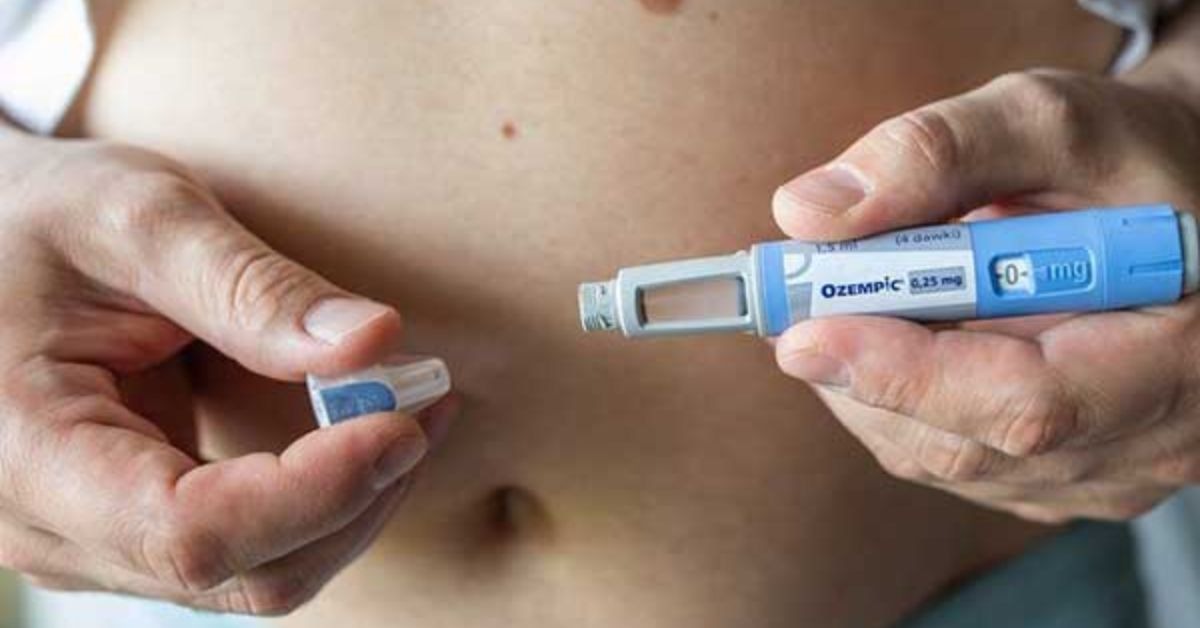
To protect muscle and long-term fitness while using GLP-1 medications, prioritize resistance training two to three times weekly, add regular aerobic activity, and hit your daily protein target. This combination—not the medication alone—is what preserves lean mass and cardiorespiratory fitness during rapid weight loss. People managing diabetes should monitor glucose around workouts.
TL;DR:
- Resistance training two to three times weekly is essential for muscle preservation during weight loss on GLP-1 medications, with focus on full-body compound movements.
- Combining structured exercise with medication enhances physical fitness and may increase the body’s own GLP-1 secretion, supporting metabolic benefits.
- Aerobic activity should be spread evenly across the week, with low-impact options like walking or cycling preferred during medication titration to manage nausea and fatigue.
- Exercise can be safely adapted during dose increases, and blood glucose levels should be monitored closely in diabetics managing insulin or secretagogues alongside GLP-1 therapy.
Why Exercise on GLP-1 Medications Matters So Much
GLP-1 drugs are remarkably good at one thing: making you eat less. What they don’t do on their own is build or protect muscle. A secondary analysis of a randomized controlled trial tracking 193 people found that GLP-1 receptor agonist treatment alone did not improve physical fitness. The group that combined the medication with structured exercise saw real gains: meaningful improvements in stair-climb time and peak VO2 relative to fat-free mass. Exercise, not the drug, drove those numbers.
This matters because rapid weight loss on semaglutide or tirzepatide pulls from both fat and muscle stores. Without a reason for your body to keep lean tissue, it treats muscle as expendable cargo during a caloric deficit. Resistance training gives your body that reason. It sends a signal that the muscle is still needed, which blunts the loss compared to diet alone.
The baseline activity target hasn’t changed just because you’re on medication. Clinical guidance from the Cleveland Clinic still points to roughly 150 minutes of moderate aerobic activity or 75 minutes of vigorous activity per week, layered with regular strength training. That’s the floor, not a suggestion to exceed only if you feel ambitious.
There’s a second, less obvious reason to move your body on these medications: exercise appears to interact with the same hormone the drug mimics. A one-year randomized trial found that structured exercise increased late-phase postprandial GLP-1 secretion substantially within the exercise group compared with usual activity. Separately, research on habitual activity found that men who logged more moderate-intensity movement had notably greater glucose-stimulated GLP-1 responses per additional hour of activity. Your own body may be capable of producing more of the hormone you’re currently injecting, and exercise seems to be part of how that happens.
Here’s what to prioritize, in order:
- Resistance training first. Two to three full-body sessions weekly, non-negotiable if muscle preservation is the goal.
- Aerobic activity second. 150 minutes moderate or 75 minutes vigorous, spread across the week rather than crammed into one or two days.
- Protein intake matched to the training. Exercise without adequate protein still results in muscle loss.
- Daily movement outside the gym. Steps, stairs, standing breaks. This is the piece most people quietly drop.
A narrative review in Frontiers frames this well: GLP-1 medications win on speed and magnitude of weight loss, but exercise wins on what kind of weight you lose. Combined, the two approaches appear to be additive rather than redundant.
How Should You Structure Resistance Training on GLP-1s?
Two to three full-body sessions per week, 20 to 45 minutes each, is the target range most people on GLP-1 therapy should aim for. You don’t need a five-day split or hour-long sessions. Full-body training two to three times weekly hits every major muscle group with enough frequency to matter, without demanding the recovery capacity of an athlete.
A single session should follow a simple structure:
- Warm-up (5 minutes). Light cardio and dynamic stretching to raise your heart rate and loosen joints.
- Compound movements (3 to 5 exercises). Squats, deadlifts or hip hinges, push presses or bench presses, rows, and lunges. These recruit the most muscle mass per exercise and give you the biggest return on effort.
- Accessory movements (2 exercises). Bicep curls, lateral raises, calf raises, or core work to round out weak points.
- Cooldown (5 minutes). Static stretching focused on the muscles you just trained.
For sets and reps, 2 to 3 sets of 8 to 12 repetitions per exercise, with the last 2 reps of each set feeling genuinely hard, builds strength without requiring heavy loads. Progression should be gradual: add weight, reps, or a set only when the current load feels manageable for two consecutive sessions. This periodized approach matters more on GLP-1 therapy than off it, because dose increases often coincide with new fatigue or appetite changes that can eat into your recovery capacity.
No gym access doesn’t mean no options. Resistance bands, bodyweight squats, push-ups, and loaded backpacks or water jugs can replace a full equipment stack for most of the exercises above. A step-by-step beginner strength guide walks through form cues for the core lifts if you’re starting from scratch.

Watch for a few injury-prevention basics: keep your spine neutral during hinges and squats, control the lowering phase of every lift rather than dropping the weight, and stop a set if form breaks down before your target rep count. Fatigue from GLP-1 side effects can mask early warning signs of overexertion, so err toward stopping a rep early rather than pushing through.
Pro Tip: If a session feels harder than usual during a dose increase, cut the accessory exercises and keep the compound lifts. Maintaining the big movements matters more than finishing every planned exercise.
Where Does Cardio Fit Alongside Strength Training?
Cardio supports the aerobic side of the WHO-aligned targets, but it should complement resistance work, not compete with it for recovery resources. On days you do both, lift weights first while your muscles are fresh, then finish with cardio. Doing cardio first can leave you too fatigued to lift with good form or sufficient intensity.
Volume-wise, aim for the same 150 minutes moderate or 75 minutes vigorous weekly total mentioned earlier, split across 3 to 5 sessions rather than one long slog. Walking, cycling, swimming, and the elliptical all count, and low-impact options matter more on GLP-1 therapy than most guides admit, since nausea and fatigue during dose titration make high-impact running or intense intervals harder to tolerate.
A few practical notes on structuring your week:
- Save HIIT for weeks when you’re feeling well; skip it during the first days after a dose increase.
- Walking counts as legitimate aerobic activity, especially early in treatment when energy is limited.
- Swimming and cycling reduce joint strain if nausea or lightheadedness make you unsteady.
- Break up long sitting periods with 5-minute movement breaks; this is where a lot of quiet muscle-sparing benefit hides.
That last point deserves attention. A systematic review and meta-analysis found no significant pooled effect of GLP-1 receptor agonists on structured exercise participation, but sensitivity analyses showed a modest reduction in free-living activity, like daily step counts, among treated groups. In plain terms: people don’t necessarily stop going to the gym, but they move less throughout the rest of the day. A basic step counter can catch this drift before it compounds over months.
What Do Sample Weekly Workout Plans Look Like?
A beginner week and a 6-week progression plan give you two starting points depending on where you are in treatment.
Beginner week (3 strength, 2 cardio):
- Monday: Full-body strength, 30 minutes (squats, push-ups, rows, plank).
- Tuesday: Walk, 30 minutes at a conversational pace.
- Wednesday: Rest or light stretching.
- Thursday: Full-body strength, 30 minutes (deadlifts or hip hinges, overhead press, lunges, bicep curls).
- Friday: Cycling or swimming, 25 to 30 minutes.
- Saturday: Full-body strength, 30 minutes (repeat Monday or Thursday session).
- Sunday: Rest, or a casual walk.
6-week progressive plan for intermediate exercisers:
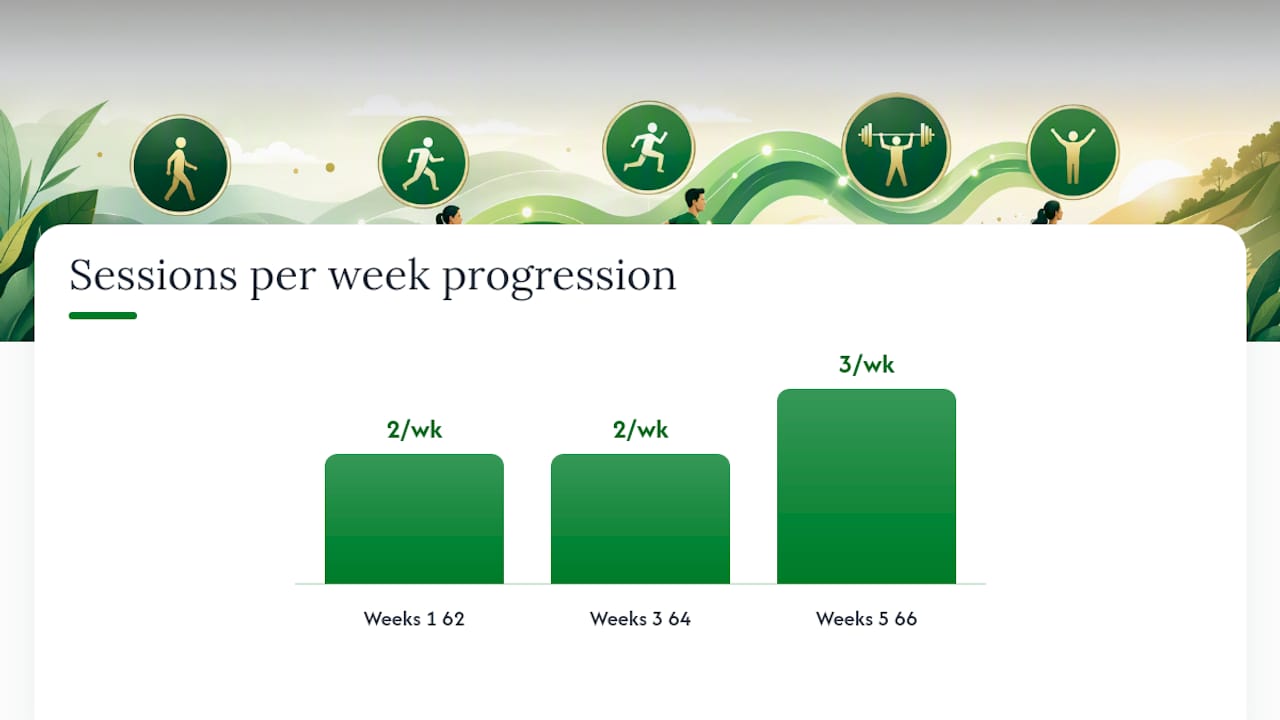
Weeks 1 to 2 focus purely on consistency: two light full-body sessions weekly, moderate reps, nothing near failure. Weeks 3 to 4 add intensity by increasing resistance and targeting 8 to 12 reps per set closer to muscular fatigue. Weeks 5 to 6 add a third weekly session or extra volume, while keeping at least one full rest day between sessions. Reassess a simple strength marker, like a timed stair climb or a comfortable squat depth and load, every 4 to 6 weeks to track real progress rather than guessing.
Short on time? Cut full-body sessions to 20 minutes using supersets (pairing two exercises back to back with no rest), and swap gym cardio for stair climbing or a brisk walk during a lunch break. Resistance bands work as a full substitute for machines if you’re training at home.
How Much Protein Do You Need to Preserve Muscle on GLP-1s?
Daily protein intake in a moderate to higher range per kilogram of body weight is most often recommended for preserving lean mass during weight loss, and it’s the number that matters most alongside your training schedule. A 70-kilogram person should target roughly 84 to 112 grams daily, spread across three to four meals rather than loaded into one.
GLP-1 medications complicate this because appetite suppression can make hitting that target genuinely hard. When food volume drops, protein needs to come first, before carbs or fats fill the limited appetite you have. Practical strategies that work:
- Eat protein at the start of each meal, before other foods.
- Keep protein-dense, low-volume options on hand: Greek yogurt, cottage cheese, protein shakes, eggs.
- Consume a protein source within one to two hours after a strength session to support muscle repair while intake is naturally reduced.
- Avoid stacking an aggressive caloric deficit on top of the appetite suppression the medication already causes.
Recovery outside the gym matters just as much as the workout itself. Sleep is when most muscle repair happens, and skimping on it undercuts even a well-designed training plan. Build a deload week (reduced volume and intensity) every 4 to 6 weeks, and reduce training intensity, not frequency, if fatigue from a dose increase makes full sessions unmanageable.
Pro Tip: If solid food feels unappealing after a dose increase, a liquid protein shake within an hour of training still counts and is often easier to tolerate than a full meal.
Is It Safe to Exercise on GLP-1 Medications?
Yes, for most people, exercise on GLP-1 medications is not just safe but recommended. The side effects that show up most often, nausea, fatigue, and occasional dizziness, tend to cluster around dose increases and usually ease within a week or two. Adjust intensity during those windows rather than pushing through or skipping training entirely.
Practical adaptations during titration:
- Swap high-intensity sessions for 10 to 15 minutes of low-intensity movement, like walking, when fatigue is high.
- Train earlier in the day if nausea tends to build as the day goes on.
- Hydrate more deliberately; GI side effects can quietly increase fluid loss.
- Skip a session entirely if you’re lightheaded or vomiting, and resume once symptoms clear.
People with diabetes managing GLP-1 therapy alongside insulin or a secretagogue face an added consideration: hypoglycemia risk. Check blood glucose before, during, and after exercise sessions, particularly with longer or more intense workouts, since physical activity itself lowers blood sugar independent of medication. Talk with your prescriber before changing insulin timing or dosage around a new workout routine rather than adjusting it yourself.
A meaningful number worth remembering: systematic review data found free-living activity can drop modestly even when structured workouts stay consistent, a sensitivity-analysis effect size of Hedges’ g = −0.24. That’s a signal to watch daily step counts, not just gym attendance.
Medication timing relative to workouts is flexible for most people, since GLP-1 drugs don’t require exercise scheduled around injection times the way some diabetes medications do. Red flags that warrant contacting your prescriber include persistent vomiting, inability to keep fluids down, chest pain during exertion, or blood sugar readings outside your target range that don’t resolve. Reviewing medication safety information before starting a new training program is worth the ten minutes it takes.
What Does the Clinical Evidence Actually Show?
The research behind these recommendations is more specific than most articles let on.
- A secondary analysis of an RCT found combined exercise and GLP-1RA treatment improved stair-climb performance by 8.6% and peak VO2 by 3.0 mL/min/kg fat-free mass compared with medication alone, with absolute strength preserved across all active groups.
- A one-year exercise trial showed structured exercise increased late-phase postprandial GLP-1 secretion by 37% within the group, suggesting a possible appetite-regulation mechanism that supports long-term weight maintenance.
- A systematic review found no significant pooled effect of GLP-1RAs on structured exercise participation itself, but flagged a modest, statistically significant reduction in free-living activity like daily steps.
- Secondary trial data reported in Sports Medicine reinforces that GLP-1RA treatment alone, without structured exercise, often fails to improve cardiorespiratory fitness metrics.
Taken together, these findings point the same direction: the medication changes your weight, exercise changes your body composition and fitness, and you need both to get the outcome most people actually want.
The Real Trade-Off Nobody Explains Clearly
Medication is a tool. It’s an extremely effective one for appetite and weight, but it was never designed to build the kind of durable fitness that keeps you functional at 70. That’s the job of your muscles, and muscles only respond to being used.
The mistake I see most often isn’t skipping the gym entirely, it’s treating cardio as the whole plan. Walking is good. Walking without any resistance training, while losing 15% of your body weight on a GLP-1 medication, is how people end up thinner but weaker than before they started. Strength training isn’t optional cardio; it’s the piece that determines whether the weight you lose comes from fat or from the muscle you’ll need later.
Start slow, prioritize the lifts over the cardio when you have to choose, and get your protein number right before worrying about anything else. A short checklist to act on this week: schedule your strength sessions like appointments, log your protein intake for three days to see where you actually land, track one strength metric (a squat, a leg press, a plank hold) so progress isn’t just a guess, and book a clinical review if side effects or glucose readings are making exercise hard to sustain. Topweightlossmed offers same-day virtual appointments and medication delivery for patients managing GLP-1 therapy, which makes it easier to get that clinical input without waiting weeks for an in-person slot.
— Bryan
This article is general information, not a substitute for advice from a qualified doctor. Consult a qualified healthcare professional about your own circumstances before acting on anything here.
Sources
- Physical Fitness with Exercise and GLP-1 Receptor Agonist Treatment Alone or Combined After Diet-Induced Weight Loss: Secondary Analysis (2026)
- One year of exercise after weight loss increases postprandial GLP‑1 secretion in contrast to usual activity or GLP‑1RA treatment
- Taking GLP‑1s? Make sure you exercise — Cleveland Clinic (2026)
- The impact of GLP‑1 receptor agonists on objective physical activity in adults: systematic review and exploratory meta‑analysis (2026)
FAQ
Can You Work Out Too Much on GLP-1 Medications?
Overtraining is possible, especially during dose titration when fatigue and reduced food intake limit recovery capacity. Signs to watch for include persistent soreness, declining performance, and poor sleep; scale back intensity rather than frequency if these appear.
Can I Lift Weights While Taking Semaglutide?
Yes, and it’s one of the most important things you can do on semaglutide to preserve lean mass. Two to three full-body sessions weekly, with gradual progression in weight or reps, is the standard recommendation.
Is Walking Enough Exercise on GLP-1 Medications?
Walking alone meets aerobic activity targets but doesn’t address muscle preservation. Pairing regular walking with resistance training two to three times weekly gives you both the cardiovascular and strength benefits research points to.
What Are the Best Workouts to Do While Taking Semaglutide?
Full-body resistance training with compound movements like squats, rows, and presses, combined with moderate aerobic activity like walking or cycling, covers both fitness and muscle-preservation goals. Low-impact cardio options work best if nausea or fatigue are active side effects.