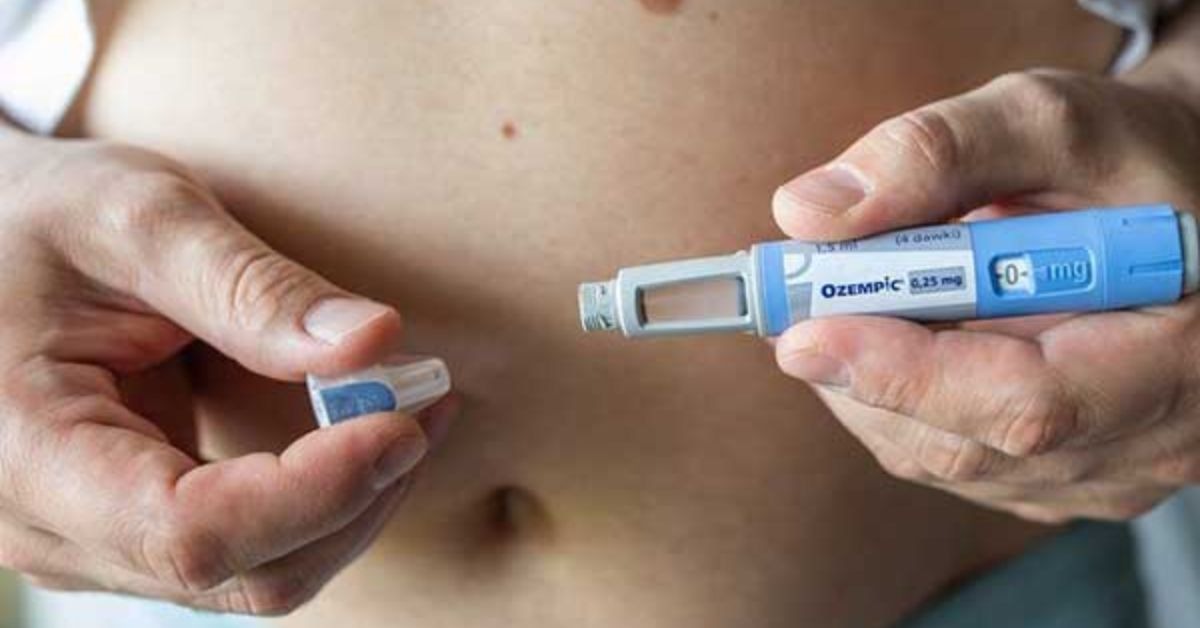
Yes, you can get a GLP-1 prescription through U.S. telehealth — but the quality of programs varies enough that the platform you choose matters as much as the medication itself. Reputable services pair a licensed prescriber with documented follow-up, a clear titration plan, and pharmacy verification. Programs that skip those steps are where the real risk lives.
A few things to know before you start:
- Eligibility is clinical, not automatic. Most programs require a BMI of 30 or higher, or 27 or higher with a weight-related condition such as type 2 diabetes or hypertension. Contraindications include pregnancy and a personal or family history of medullary thyroid carcinoma.
- Oversight gaps are real. A 2026 secret-shopper study documented rapid online prescribing at dozens of telehealth sites, with some providers completing the process in minutes and with minimal history-taking.
- Compounded products carry added risk. The FDA has warned multiple telehealth companies against illegal marketing of compounded GLP-1 products. Stick to FDA-approved brand-name medications dispensed by licensed pharmacies.
- Insurance coverage is inconsistent. Many plans cover GLP-1s for type 2 diabetes but not for weight loss alone. Out-of-pocket costs can be significant without a manufacturer savings program.
TL;DR: GLP-1 telehealth works well when the program includes a licensed prescriber, documented clinical follow-up, and pharmacy verification. Choose those programs and skip the rest.
How does GLP-1 telehealth actually work?
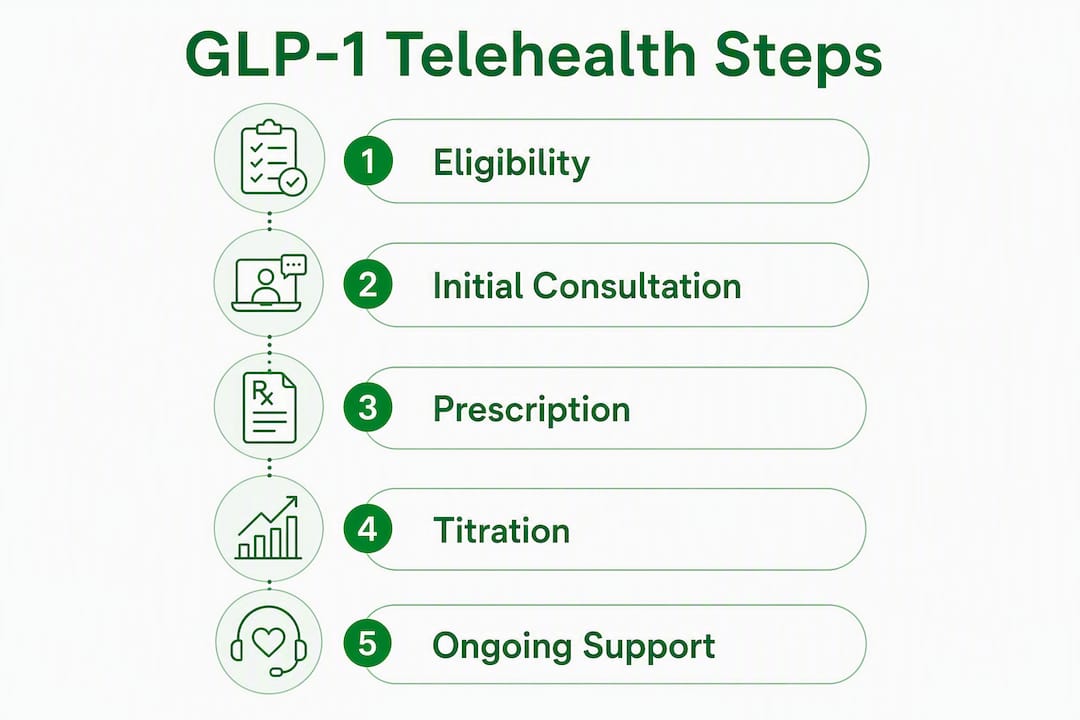
The workflow at reputable telehealth programs follows a consistent path, even if the details vary by platform. Here is what to expect from sign-up through ongoing care:
- Prescription decision — If you qualify, the clinician writes a prescription for an FDA-approved GLP-1 medication. If you do not qualify, a reputable program tells you why and may suggest alternatives.
Titration timelines vary by medication. Semaglutide (Wegovy) reaches its maintenance dose over roughly sixteen to twenty weeks. Tirzepatide (Zepbound) follows a similar multi-month ramp. Rushing titration schedules is a common indicator of a low-quality program.
Pro Tip: Before your first visit, gather your current medication list, any recent lab results (especially A1C if you have a diabetes history), and your most recent weight. Having these ready lets the clinician make a faster, more accurate assessment — and signals to the program that you are a serious, informed patient.
What are the safety risks of GLP-1 telehealth?
GLP-1 receptor agonists have a well-established safety profile when used as prescribed, but the telehealth delivery model introduces risks that do not exist in a traditional clinical setting.

Common side effects you should expect
Gastrointestinal effects are the most frequent complaint: nausea, vomiting, constipation, and diarrhea. These are dose-dependent, which is exactly why titration exists. Starting low and increasing slowly gives your body time to adapt. Most patients find GI symptoms manageable within the first few weeks of each dose increase, particularly with dietary adjustments like smaller meals and reduced fat intake.
Rare but serious risks include pancreatitis (watch for severe, persistent abdominal pain radiating to the back), gallbladder disease, and severe dehydration from prolonged vomiting. If you experience any of these, stop the medication and seek urgent care.
The telehealth-specific problem
The 2026 JAMA/Yale secret-shopper investigation found that high-volume telehealth sites sometimes prioritized speed over comprehensive history-taking and follow-up planning. Some completed prescriptions in minutes. That is a structural problem: GLP-1s are not medications you should be able to get faster than a pizza delivery.
Compounded semaglutide and tirzepatide are another layer of risk. The FDA has issued warning letters to telehealth companies for false or misleading claims about compounded GLP-1 products. Compounded formulations are not FDA-approved and have not undergone the same manufacturing and safety review as brand-name medications like Wegovy, Ozempic, Mounjaro, or Zepbound.
Red flags to watch for
- No licensed prescriber listed by name or credential on the platform
- No scheduled follow-up visits or dose-adjustment check-ins
- Pushes compounded formulations as the primary or only option
- No pharmacy verification or named pharmacy partner
- Offers the highest dose immediately without a titration schedule
- No way to reach a clinician between visits
What does GLP-1 telehealth actually cost?
Pricing in this space is genuinely variable, and the advertised number rarely tells the whole story. A Forbes Health review of online GLP-1 providers found wide variation in monthly costs and membership structures, with some programs bundling clinical fees into a subscription and others charging separately for visits and medication.
Here is how the fee structures typically break down:
- Single visit fees: Some platforms charge per consultation, often in the range of $49–$199 for an initial virtual visit. MinuteClinic, for example, advertises $49 virtual visits for weight management assessments.
- Subscription or membership fees: Many online GLP-1 programs charge a monthly membership that covers clinical access, messaging, and follow-up visits. Medication costs are usually separate.
- Medication costs: This is where the real expense sits. Brand-name GLP-1s without insurance can run several hundred dollars per month. Manufacturer savings programs (Novo Nordisk’s savings card for Wegovy, Eli Lilly’s savings program for Zepbound) can reduce out-of-pocket costs significantly for commercially insured patients.
Which medications are available via telehealth?
The four most commonly prescribed GLP-1 medications through telehealth programs are:
- Semaglutide injectable (Wegovy): — FDA-approved for chronic weight management
Oral semaglutide is also available through some platforms, including Amazon’s One Medical on-demand care, which lists oral GLP-1 options alongside injectable formulations.
The insurance reality
Insurance coverage for GLP-1s is inconsistent and often frustrating. Most commercial plans cover Ozempic and Mounjaro for type 2 diabetes with prior authorization. Coverage for Wegovy and Zepbound for weight loss alone is less reliable. Medicare Part D covers Wegovy for cardiovascular risk reduction in qualifying patients, but not for weight loss as a standalone indication. State Medicaid programs vary widely.
Prior authorization is common and can add weeks to the process. A reputable telehealth program will help you navigate that paperwork rather than leaving you to handle it alone.
How do you choose a trustworthy GLP-1 telehealth program?
The checklist below is what separates a program worth your time from one worth avoiding. Work through it before you hand over a credit card.
Questions to ask before signing up
- Is the prescribing clinician licensed in my state, and can I verify that license?
- Will I have a video visit with a clinician, or is this entirely asynchronous?
- What labs or baseline checks does the program require before prescribing?
- What is the titration schedule, and is it documented in writing?
- How do I reach a clinician between scheduled visits if I have side effects?
- Which pharmacy fulfills the prescription, and is it a licensed retail or mail-order pharmacy?
- What is the refund or cancellation policy if I cannot tolerate the medication?
- Does the program accept my insurance, and will it help with prior authorization?
Trust signals that matter
- Documented clinician oversight: The platform names its prescribers and lists their credentials and state licenses.
- Clear titration plan: The program provides a written dose schedule, not a verbal promise.
- Lab requirements: A good program asks for relevant labs before prescribing (A1C for patients with diabetes history, thyroid function where indicated).
- Phone or video access to clinicians: Messaging alone is not enough for a medication with real side-effect potential.
- Licensed pharmacy fulfillment: The prescription goes to a named, verifiable pharmacy.
- Transparent pricing: All fees, including medication costs, are disclosed before you commit.
How to verify quickly
Check the prescribing clinician’s license through your state medical board’s online lookup tool. Verify the pharmacy’s NPI number through the National Plan and Provider Enumeration System. If the platform cannot tell you who is prescribing or where the medication is coming from, that is your answer.
Programs that combine clinical therapy with lab evaluation, body composition analysis, and nutrition support tend to produce better long-term outcomes than high-volume prescription services. The extra structure is not just marketing — it reflects how GLP-1 therapy actually works best.
Why ongoing clinical support changes outcomes
The access argument for GLP-1 telehealth is straightforward: millions of Americans with obesity live in areas with limited access to obesity medicine specialists, and telehealth removes that barrier. Peer-reviewed analysis published on PMC examines clinical characteristics and outcomes for direct-to-consumer telemedicine GLP-1 therapy, finding that telehealth can deliver meaningful clinical benefit when proper follow-up is in place.

The gap, documented in a separate PMC analysis of the clinical support gap in telehealth-based GLP-1 care, is what happens when that follow-up is absent. Patients who cannot reach a clinician when nausea peaks at week three of a new dose tend to stop the medication entirely. That early dropout is largely preventable with proactive dose management.
Patients consistently underestimate GI side effects. Programs that keep patients in close contact with a clinical team can adjust dosing promptly and provide nutrition support to improve tolerability. The difference between a patient who discontinues at week four and one who reaches maintenance dose is often a single timely check-in.
| Program feature | Why it matters |
|---|---|
| Documented titration schedule | Reduces GI side effects; prevents premature dose escalation |
| Scheduled follow-up visits | Catches tolerability problems before they cause dropout |
| Nutrition counseling | Supports weight loss outcomes beyond medication alone |
| Lab integration | Identifies contraindications and monitors metabolic markers |
| Clinician messaging access | Enables real-time dose adjustments between scheduled visits |
High-touch programs that include labs, body composition tracking, and nutrition support alongside GLP-1 therapy position themselves as a meaningful alternative to high-volume prescription services. The evidence supports that positioning. Telehealth works for GLP-1 access; the clinical support structure is what determines whether it works well.
Key Takeaways
GLP-1 telehealth delivers real access to effective weight-loss medication, but safety and outcomes depend entirely on the quality of clinical oversight the program provides.
| Point | Details |
|---|---|
| Telehealth GLP-1 access is legitimate | Licensed prescribers can legally prescribe GLP-1s via telehealth in the U.S. when eligibility criteria are met. |
| Oversight quality varies widely | A 2026 secret-shopper study found rapid prescribing with minimal screening at many high-volume telehealth sites. |
| Titration and follow-up are non-negotiable | Programs with documented titration schedules and regular check-ins reduce early dropout from side effects. |
| Insurance coverage is inconsistent | Coverage for weight-loss indications is less reliable than for diabetes; prior authorization is common. |
| Topweightlossmed offers a structured path | TWL pairs licensed clinicians with ongoing follow-up and pharmacy support for GLP-1 weight-loss care. |
What the GLP-1 telehealth boom gets wrong
The conversation around GLP-1 telehealth tends to split into two camps: enthusiasts who treat it as a democratization of obesity medicine, and critics who frame it as a prescription vending machine. Both miss the more useful point.
The access argument is real. Obesity medicine specialists are concentrated in major metro areas, and a patient in rural Oklahoma or western Kansas has historically had almost no path to evidence-based weight-loss treatment. Telehealth changes that. The PMC literature supports it. That matters.
What the enthusiasm misses is that GLP-1 medications are not passive. They require active management — dose adjustments, side-effect monitoring, nutrition guidance, and sometimes a decision to pause or switch medications. A platform that hands you a prescription and disappears is not delivering obesity medicine. It is delivering a product. Those are different things, and the difference shows up in outcomes.
The red-flag checklist in this article is not paranoia. The 2026 JAMA/Yale secret-shopper findings documented exactly the kind of speed-over-substance prescribing that produces early dropout and, in some cases, real harm. The FDA’s warning letters to telehealth companies over compounded GLP-1 marketing are not hypothetical regulatory posturing — they reflect a market where financial incentives pushed some platforms well past the line of responsible practice.
What actually works is boring: a licensed clinician who knows your history, a titration schedule written down somewhere you can find it, and a way to reach someone when week three of a new dose feels impossible. That is not a premium feature. It is the baseline.
Topweightlossmed makes GLP-1 telehealth straightforward and medically sound
Getting a GLP-1 prescription online without the right clinical structure behind it is the part of this space that goes wrong. Topweightlossmed is built around the part that goes right: licensed providers, same-day appointment availability, and a care model that does not end when the prescription is written.
TWL’s online GLP-1 weight-loss program pairs clinician-guided care with ongoing follow-up, medication support, and pharmacy fulfillment options. Insurance integration means you are not navigating prior authorization alone. The platform covers weight loss alongside primary care, mental health, and other conditions — so if your weight management intersects with diabetes management or anxiety, you are not bouncing between separate providers.
The concrete next step: visit the TWL weight-loss FAQ to see eligibility criteria, how the first visit works, and what medications are available through the program. If you are ready to find out whether GLP-1 therapy fits your situation, that is where to start.
Useful sources and further reading
- GLP-1 receptor agonist therapy for obesity via direct-to-consumer telemedicine (PMC) — Peer-reviewed analysis of clinical outcomes for DTC telehealth GLP-1 therapy; foundational evidence for the access and outcomes discussion.
- The Clinical Support Gap in Telehealth-Based GLP-1 Care (PMC) — Examines what happens to patient outcomes when clinical follow-up is absent from telehealth GLP-1 programs.
- FDA Warns 30 Telehealth Companies Against Illegal Marketing of Compounded GLP-1s — Primary FDA source on regulatory action against compounded GLP-1 marketing; essential reading for anyone evaluating a telehealth platform.
- Secret shopper study reveals questionable telehealth GLP-1 practices (STAT News) — 2026 investigative reporting on the JAMA/Yale secret-shopper findings; the most direct evidence of oversight gaps in high-volume telehealth prescribing.
- TWL online GLP-1 program details — Topweightlossmed’s program overview for patients ready to evaluate a structured, clinician-guided GLP-1 telehealth option.
FAQ
Can you get a GLP-1 prescription through telehealth?
Yes. Licensed clinicians can prescribe GLP-1 medications via telehealth in the U.S. after completing an eligibility assessment that includes medical history review, BMI evaluation, and screening for contraindications.
What is the best telehealth program for GLP-1 weight loss?
The best programs combine a licensed prescriber, a documented titration schedule, regular follow-up visits, and pharmacy verification. Topweightlossmed offers this structure through its online GLP-1 weight-loss program, with same-day appointments and insurance integration.
Will Amazon telehealth prescribe GLP-1 medications?
Amazon’s One Medical on-demand care lists oral semaglutide and other GLP-1 options among available weight-loss services, so yes, it is one available pathway. As with any platform, verify the prescribing clinician’s credentials and confirm what follow-up care is included before enrolling.
How much does a GLP-1 telehealth program typically cost?
Clinical fees range from roughly $49 for a single virtual visit to monthly membership fees that cover ongoing access. Medication costs are usually separate and vary significantly based on insurance coverage and whether a manufacturer savings program applies.
Are compounded GLP-1 medications from telehealth platforms safe?
Compounded GLP-1 formulations are not FDA-approved and have not undergone the same manufacturing review as brand-name medications. The FDA has issued warning letters to telehealth companies for illegal marketing of these products. Stick to FDA-approved medications dispensed by a licensed pharmacy.
This article provides general health information, not medical advice. Confirm your eligibility and current prescribing guidelines with a licensed clinician or the FDA before starting any GLP-1 therapy.