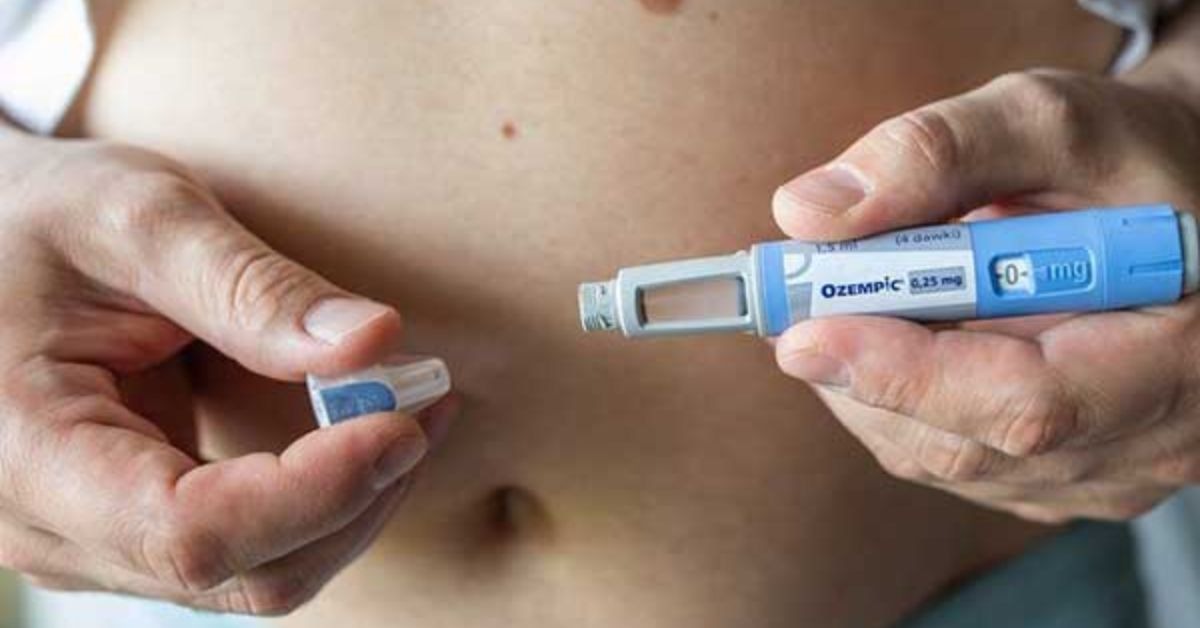
Start by calling your pharmacy today and asking them to run the claim. In most cases, that rejected or pending claim is what triggers an electronic prior authorization request, and pharmacy-initiated ePA through CoverMyMeds is usually the fastest route to an approved GLP-1 prior authorization. If your patient is Medicare-eligible under the new Medicare GLP-1 Bridge program, the pathway is different and depends on a pharmacy claim hitting the Bridge BIN/PCN first.
If you’re a patient, do this now:
- Call your pharmacy and ask if a claim was submitted and what happened.
- Call your prescriber’s office to confirm they’ve received any PA request and ask whether your plan has an anti-obesity medication (AOM) exclusion rider.
- Ask your prescriber’s staff for a timeline. Most electronic requests resolve in a few business days.
If you’re a prescriber or clinic staff, expect one of two situations:
- A pharmacy-generated ePA request lands in your queue within 24 to 72 hours of the claim attempt.
- Nothing arrives, meaning you’ll need to initiate the request yourself through a payer portal, CoverMyMeds, or, for Medicare Bridge cases, the CMS Bridge PA form by fax.
Key Takeaways
Getting a GLP-1 medication approved fastest requires pharmacy-initiated ePA, complete baseline documentation, and awareness of Medicare Bridge sequencing rules.
| Point | Details |
|---|---|
| Let the pharmacy claim trigger the PA | A rejected pharmacy claim usually starts the electronic prior authorization process automatically. |
| Sequence matters for Medicare Bridge | Prescribers must wait for the pharmacy claim to hit the Bridge BIN/PCN before submitting the PA form. |
| Document BMI at therapy initiation | Baseline BMI, not current BMI, determines eligibility even after weight loss occurs. |
| Renewal depends on measurable progress | Most plans require roughly 5% weight loss from baseline plus ongoing lifestyle program participation. |
| Topweightlossmed streamlines intake | Same-day visits capture required documentation and verify insurance before treatment begins. |
This article is general information, not a substitute for advice from a qualified doctor. Consult a qualified healthcare professional about your own circumstances before acting on anything here.
What Is GLP-1 Prior Authorization and How Does the Medicare Bridge Work?
GLP-1 prior authorization is the insurance approval step a payer requires before covering drugs like semaglutide or tirzepatide, typically to confirm the prescription meets clinical criteria for diabetes, weight management, or cardiovascular risk reduction. For Medicare beneficiaries, that process now runs through a dedicated demonstration program rather than a standard Part D PA.
The Medicare GLP-1 Bridge demonstration runs from July 1, 2026, through December 31, 2027, and it uses one central processor to handle prior authorization, claims adjudication, and payment for eligible beneficiaries. That centralization matters: instead of navigating dozens of separate Part D plan rules, providers submit through a single system built specifically for this program.
Eligibility hinges on a few concrete factors. The beneficiary needs a BMI at or above the threshold set for anti-obesity medication coverage, or a qualifying comorbidity such as type 2 diabetes or documented cardiovascular disease, and the drug must be prescribed for weight management rather than an off-label use. Age and Medicare enrollment status also factor in, and the prescribing provider does not need to be Medicare-enrolled to submit a request, though they cannot appear on CMS’s Preclusion List for the claim to pay.
Most stand-alone Part D plans, Medicare Advantage plans, Special Needs Plans, Employer Group Waiver Plans, and the Limited Income Newly Eligible Transition (LI NET) program can use the Bridge. A handful of plan types fall outside the demonstration, so it’s worth confirming plan eligibility before assuming coverage applies.
One operational detail trips up more clinics than anything else: a pharmacy claim has to be submitted and rejected against the Bridge BIN/PCN before a prescriber can submit the PA. Submit too early, and the system won’t recognize the request. Providers with questions can reach the CMS call center listed on the Bridge provider page, where the official PA form is also available for download.
How Does the GLP-1 Prior Auth Process Actually Work Step by Step?
Getting a GLP-1 approved isn’t one action, it’s a relay between four parties: prescriber, patient, pharmacy, and payer. Miss a handoff and the whole thing stalls.
- Verify benefits before writing the prescription. Check the patient’s formulary status for the specific GLP-1 drug, confirm whether an AOM exclusion rider exists, and note any step-therapy requirements. This single step prevents the most common source of wasted time: prescribing a drug the plan structurally excludes.
- Send the prescription to the pharmacy. For commercial plans and most Medicare Part D coverage, the pharmacy’s claim attempt is what surfaces the PA requirement in the first place.
- Wait for the pharmacy-initiated ePA request, which typically reaches the prescriber’s queue within 24 to 72 hours if the claim rejects for “prior authorization required.”
- If nothing arrives within that window, initiate manually. Use CoverMyMeds, the payer’s provider portal, or for Medicare Bridge cases, the CMS fax form, after confirming the pharmacy claim already hit the Bridge BIN/PCN.
- Respond to any request for additional information immediately. Payers often set short response windows, and a delayed reply restarts the clock.
The prescriber’s office can shortcut most of this by preparing documentation before the pharmacy ever submits the claim. Have baseline BMI, comorbidity diagnoses with ICD-10 codes, and prior medication trials already documented in the chart. That way, whether the request comes electronically or by fax, the answer is a copy-paste away rather than a scramble.
Pro Tip: Build a GLP-1 prior auth template in your EHR with fields for BMI at initiation, comorbidities, prior antidiabetic trials, and lifestyle program enrollment. Filling in five fields takes two minutes; writing a narrative justification from scratch takes twenty.
What Documentation Do You Need for a GLP-1 Prior Authorization?

Payers deny more GLP-1 requests for missing paperwork than for genuinely disqualifying clinical facts. A tight, complete submission on the first try beats a fast but incomplete one that bounces back for more information.
Administrative basics:
- Patient’s full legal name, date of birth, and insurance ID exactly as it appears on the card
- Prescriber NPI, contact number, and fax line for follow-up
- Pharmacy name and NCPDP number if the payer requests it
Clinical documentation:
- Baseline BMI recorded at the time therapy started, not the current visit, since some plans (including the Medicare Bridge) allow initial BMI to establish eligibility even if the patient has since lost weight
- Comorbidity diagnoses with specific ICD-10 codes and the date each was documented
- Step-therapy proof: dates, doses, and outcomes for metformin or other antidiabetic agents tried first, or clear documentation of intolerance if step therapy was skipped
- Lifestyle modification evidence, including the name of the weight-management program, enrollment date, and session count, since many commercial payers require a structured program lasting at least three months
A Letter of Medical Necessity ties these pieces together into a narrative a reviewer can approve quickly. Manufacturer resources, including Wegovy’s own prior authorization quick reference guide, recommend including measurable goals such as baseline weight and a realistic target.
A strong Letter of Medical Necessity does one job: it connects the diagnosis, the failed alternatives, and the treatment goal into a single paragraph a reviewer can approve without asking a follow-up question.
How Long Does GLP-1 Prior Authorization Coverage Last?
Initial approvals aren’t permanent, and tracking their expiration is as important as getting the first one approved. Payer policies vary, but weight-management indications commonly carry five to eight month initial authorizations, while cardiovascular risk indications often run a full 12 months since the clinical justification differs.
Renewal isn’t automatic. Reviewers typically look for:
- Documented weight loss of at least 5% from baseline, tracked against the initiation weight noted in the original PA
- Continued participation in a lifestyle or behavioral program, not just a one-time enrollment
- No gaps in therapy that would suggest the medication isn’t being used consistently
For Medicare beneficiaries, the Bridge program adds its own wrinkle. A Bridge prior authorization remains valid through December 31, 2027, covering refills and dose adjustments, unless the patient switches to a different GLP-1 product entirely, which would require a fresh authorization.
Practical tip: set a chart reminder tied to the original baseline weight date, not the calendar month. Renewal documentation is far easier to pull together when you’re not scrambling to reconstruct numbers from six months ago.
Why Do GLP-1 Prior Authorizations Get Denied?
Denials cluster around a handful of predictable causes, and claims-based research on Part D plans shows prior authorization requirements for semaglutide and tirzepatide products rose sharply between 2023 and 2024, making a clean first submission more valuable than ever.
- Formulary exclusion or AOM benefit rider. Some employer plans exclude anti-obesity medications from coverage entirely. If that’s the case, no amount of documentation fixes it, and the appeal has to go through the employer’s benefits or HR team to challenge the plan document itself, not the payer’s clinical review.
- Missing step-therapy proof. Resubmit with specific drug names, dates, and documented outcomes or intolerance.
- Insufficient BMI or comorbidity data. Add the missing chart note with the exact BMI value and date it was recorded.
- Wrong or incomplete ICD-10 coding. A coding error alone can trigger an automatic denial even when the clinical picture is sound.
When a denial isn’t a benefit exclusion problem, three appeal routes exist: a peer-to-peer conversation between the prescriber and the plan’s medical director, a formal internal appeal, and an external review through the state or, for self-funded plans, an ERISA-governed process. Medicare Bridge denials follow their own notification timeline outlined on the CMS provider page.
Pro Tip: Before requesting a peer-to-peer, send the Letter of Medical Necessity and complete chart documentation ahead of the call. Reviewers approve faster when they’re confirming a complete file rather than evaluating one for the first time live.
Which Submission Method Gets GLP-1 Approved Fastest?
Not every submission channel performs the same, and picking the wrong one costs days.
- Electronic prior authorization (ePA) through platforms like CoverMyMeds is generally the fastest option because it presents payer-specific required fields upfront and applies real-time clinical rule checks, catching missing data before submission rather than after a denial.
- Pharmacy-initiated ePA is the default trigger for most commercial and Part D claims. Let the pharmacy attempt the claim first unless you know in advance the plan requires prescriber-initiated PA.
- Fax remains necessary for the Medicare Bridge. The CMS Bridge PA form is submitted by fax after the pharmacy claim rejects against the Bridge BIN/PCN, and skipping that sequence causes “patient not found” errors on the payer side.
- Payer portals work as a fallback when ePA isn’t available for a specific plan, though they typically require more manual data entry than CoverMyMeds.
How Topweightlossmed Supports Patients Through Prior Authorization
Getting a GLP-1 approved often comes down to having the right documentation ready at the first visit, not after a denial arrives. Topweightlossmed builds that into the intake process itself: same-day virtual appointments capture baseline BMI, comorbidity history, and prior weight-management attempts in one visit, so the chart already contains what a payer will ask for.
- Insurance verification happens before the visit is booked, flagging AOM exclusions early instead of after a prescription is written.
- Documentation templates align with what payers and the Medicare Bridge commonly request, reducing back-and-forth requests for missing information.
- Medication delivery is coordinated once a prior authorization clears, so patients aren’t left managing pharmacy logistics on top of the approval process.
| Point | Details |
|---|---|
| Documentation drives approval | Baseline BMI, comorbidity codes, and step-therapy proof captured at intake reduce denial risk. |
| Insurance checked upfront | Verifying AOM exclusion riders before treatment starts avoids wasted prescriptions. |
| Coordinated care model | Topweightlossmed pairs same-day visits with delivery logistics once coverage is approved. |
What the Prior Authorization Process Actually Rewards
The conventional advice tells patients to “be persistent” and tells prescribers to “document thoroughly,” which is true but useless without specifics. What the process actually rewards is sequencing: knowing which party moves first, and not submitting a request before the system is ready to receive it.
The single most overlooked failure point isn’t clinical, it’s procedural. Prescribers who submit a Medicare Bridge PA before the pharmacy claim hits the Bridge BIN/PCN get rejected on a technicality, then assume the patient doesn’t qualify. They usually do. The form just arrived in the wrong order.
I’d also push back on the idea that persistence alone wins appeals. A peer-to-peer call backed by a complete Letter of Medical Necessity wins in minutes. The same call without documentation turns into a stalling exercise. Prioritize the paperwork before the phone call, not after.
For patients navigating this without a dedicated care team, working with a platform that builds documentation into the first visit, rather than treating it as an afterthought, removes most of the friction that turns a routine approval into a six-week ordeal.
— Bryan
Get Help Completing Your GLP-1 Prior Authorization
Chasing down chart notes, insurance verification, and step-therapy proof after a denial already landed is the hard way to do this. Topweightlossmed builds prior authorization support into the first appointment, so baseline BMI, comorbidity history, and lifestyle program documentation get captured before a claim ever gets submitted, not scrambled together afterward.
The platform integrates with major insurance plans, so a benefits check and AOM exclusion screen happen before you commit to a visit, and prescriptions move straight to medication delivery once coverage clears. That means fewer phone calls between your pharmacy and prescriber’s office, and less time spent wondering whether your paperwork is sitting in a queue somewhere. If you’re ready to start, check your eligibility for weight loss treatment and book a same-day appointment to get your documentation moving today.
Sources
- Information for Providers — Medicare GLP-1 Bridge (CMS)
- Medicare
- Simplify GLP-1 Prior Authorization with CoverMyMeds — CoverMyMeds
- GLP-1 Prior Authorization Guide: Requirements by Drug, Indication, and Payer (Artificer Health)
FAQ
How Do I Get Prior Authorization for a GLP-1 Medication?
Start by having your pharmacy submit the claim, since a rejected claim typically triggers an electronic prior authorization request automatically. If nothing arrives within a few business days, your prescriber can submit manually through CoverMyMeds or a payer portal.
Will Medicare Pay for GLP-1 Drugs in 2026?
Medicare can cover GLP-1 drugs for eligible beneficiaries through the GLP-1 Bridge demonstration, which began July 1, 2026, and runs through December 31, 2027, provided the beneficiary meets BMI or comorbidity criteria and the plan type qualifies.
How Do I Get a Prior Authorization Approved for Zepbound?
Approval hinges on documenting baseline BMI, relevant comorbidities with ICD-10 codes, and lifestyle program enrollment, since Zepbound’s weight-management indication typically requires the same clinical evidence as other GLP-1 medications under payer-specific policies.
What Is the Costco $179 Three-Month Subscription Weight Loss Program?
That offer refers to a third-party retail subscription program unrelated to prescription GLP-1 prior authorization, and it does not substitute for insurance-covered treatment or a prescriber-managed program like the one Topweightlossmed offers through its weight loss FAQ page.
How Long Does a GLP-1 Prior Authorization Last Before It Needs Renewal?
Initial authorizations for weight-management indications commonly last five to eight months, while cardiovascular indications often run a full year, with renewal requiring documented progress such as continued weight loss from baseline.